
Trade statistics
Aggregated imports and exports by reporting country, partner, product and period. Use them to compare market activity; totals do not identify individual buyers or suppliers.

GLOBAL TRADE INTELLIGENCE
GLOBAL TRADE INTELLIGENCE
GLOBAL TRADE INTELLIGENCE
GLOBAL TRADE INTELLIGENCE
GLOBAL TRADE INTELLIGENCE
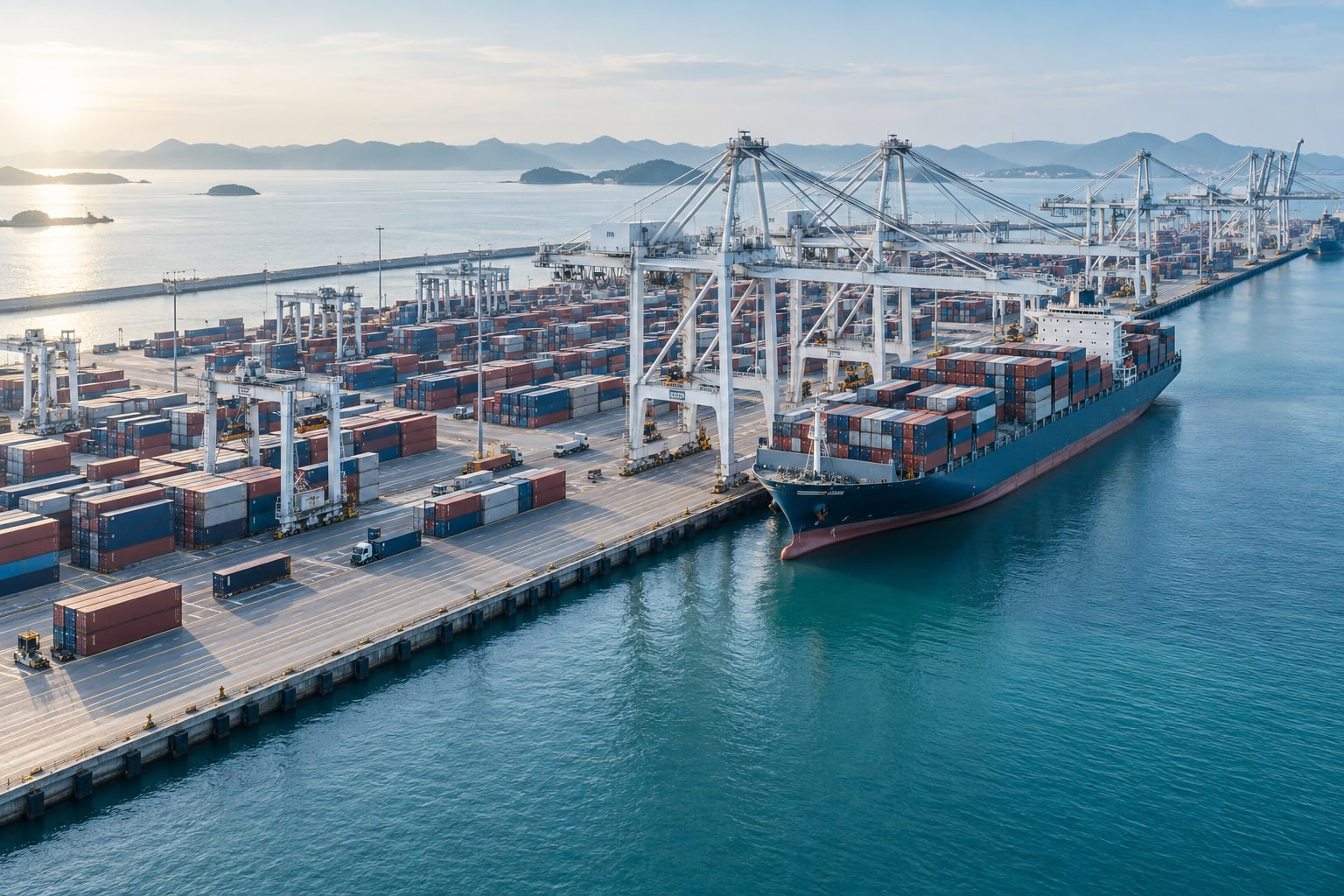
Select a country to read its data introduction and inspect the available sample. Record types, fields and reporting periods vary by dataset.

+ Help trade enterprises choose the best products and discover new business opportunities;
+ Search for global market trends of a particular product and identify untapped markets;
+ Assist buyers or sellers in finding global suppliers or purchasers and accurately understanding their transaction details, including the exporting or importing enterprises, traded products, specific quantities, amounts, unit prices;
+ Monitor the export transactions of peer companies this year and accurately view the transaction volume and price of the same industry; + Track the global purchasing situation of one's own customers, including where they source their products from, the quantities, amounts, unit prices.
Big Trade Data contains customs information from more than 80 countries, providing complete customs information on trade activities for each country. The content covers dozens of field information, including purchaser and supplier names, HS codes and detailed descriptions, product names and specifications, amounts, prices, quantities, countries of origin and destination, dates, ports of shipment and destination, carriers, and bill of lading numbers.
In addition, Big Trade Data also provides various big data application analyses for more than 200 countries or regions worldwide, offering information on purchaser and supplier company names, addresses, contact phone numbers, email addresses, decision-makers, company operations, and websites.
Big Trade Data is primarily used in international trade, providing massive trade data information and big data application analysis services to various trade participants, including purchasers, suppliers, logistics companies, customs, and government regulatory agencies. It helps them better understand international market conditions, industry trends, supply chain dynamics, risk warnings, etc., in order to optimize decisions, enhance efficiency, reduce costs, and improve competitiveness. Moreover, Big Trade Data can also be used in market research, industry analysis, product positioning, and market promotion, providing more accurate marketing and business decision-making support for enterprises.
Countries included:
North America: including North American import bill of lading data, US export bill of lading data, US import and export statistics data, and Canada import and export data;
Central America: including Mexico, Costa Rica, Honduras, Panama, Nicaragua, El Salvador, Guatemala, Bahamas, Jamaica, Saint Vincent and the Grenadines, Trinidad and Tobago, Dominican Republic, etc.;
South America: including Brazil, Argentina, Venezuela, Chile, Peru, Colombia, Uruguay, Paraguay, Bolivia, Ecuador, Guyana, Aruba, etc.;
Asia: including China, Indonesia, India, Vietnam, Pakistan, South Korea, Sri Lanka, Kazakhstan, Uzbekistan, Japan, Thailand, Indonesia, Philippines, Hong Kong, Macau, Jordan, Türkiye, Singapore, Malaysia, Bhutan, Israel, Kyrgyzstan, Lebanon, Nepal, Saudi Arabia, Yemen, etc.;
Europe: including Russia, Ukraine, Spain, United Kingdom, Germany, France, Italy, Belgium, Portugal, Austria, Cyprus, Czech Republic, Denmark, Estonia, Finland, Greece, Hungary, Ireland, Latvia, Lithuania, Luxembourg, Malta, Netherlands, Poland, Slovakia, Slovenia, Sweden, Bulgaria, Romania, Moldova, Georgia, Azerbaijan, Norway, Switzerland, Belarus, Albania, Armenia, Bosnia and Herzegovina, Croatia, Faroe Islands, Iceland, Montenegro, Serbia, North Macedonia, etc.;
Oceania: including Australia, New Zealand, Fiji, Samoa, French Polynesia, etc.;
Africa: including South Africa, Egypt, Botswana, Morocco, Algeria, Cape Verde, Mayotte Island, Ethiopia, Djibouti, Ivory Coast, Kenya, Madagascar, Malawi, Mauritius, Niger, Rwanda, Senegal, Zimbabwe, Sudan, Tunisia, Uganda, Burkina Faso, Zambia, Nigeria, etc.

Trade data describes the movement of goods between countries. It can support research into products, markets and trading relationships. The record type determines which questions can be answered.
Aggregated imports and exports by reporting country, partner, product and period. Use them to compare market activity; totals do not identify individual buyers or suppliers.
Information derived from customs declarations. Available fields and access conditions depend on the source and jurisdiction; company names and commercial values are not universally available.
Transport-related records used to research shipments and named parties where disclosed. Coverage of a transport mode or route should not be treated as a country’s total trade.
Align the reporting period, trade direction, HS classification, currency and quantity units. Review source coverage, duplicate records and missing fields. These are selection guidelines, not a claim that every SINOBTD dataset contains every field.
Tell us the market, company, product or supply-chain question you are working on.
Start an enquiry ↗