

GLOBAL TRADE INTELLIGENCE
GLOBAL TRADE INTELLIGENCE
GLOBAL TRADE INTELLIGENCE

GLOBAL TRADE INTELLIGENCE
GLOBAL TRADE INTELLIGENCE

On October 15, the autumn session of the Canton Fair — China's largest comprehensive trade event — kicked off its first phase in Guangzhou, running through October 19. It is a real-time window into where Chinese export supply is actually heading, not a lagging indicator.The fair is no longer just a place to take orders. It is where China's shift from "make more" to "make smarter" shows up in real products — AI-driven appliances, industrial robots, energy-saving systems. The booths themselves are a live map of the next export wave.
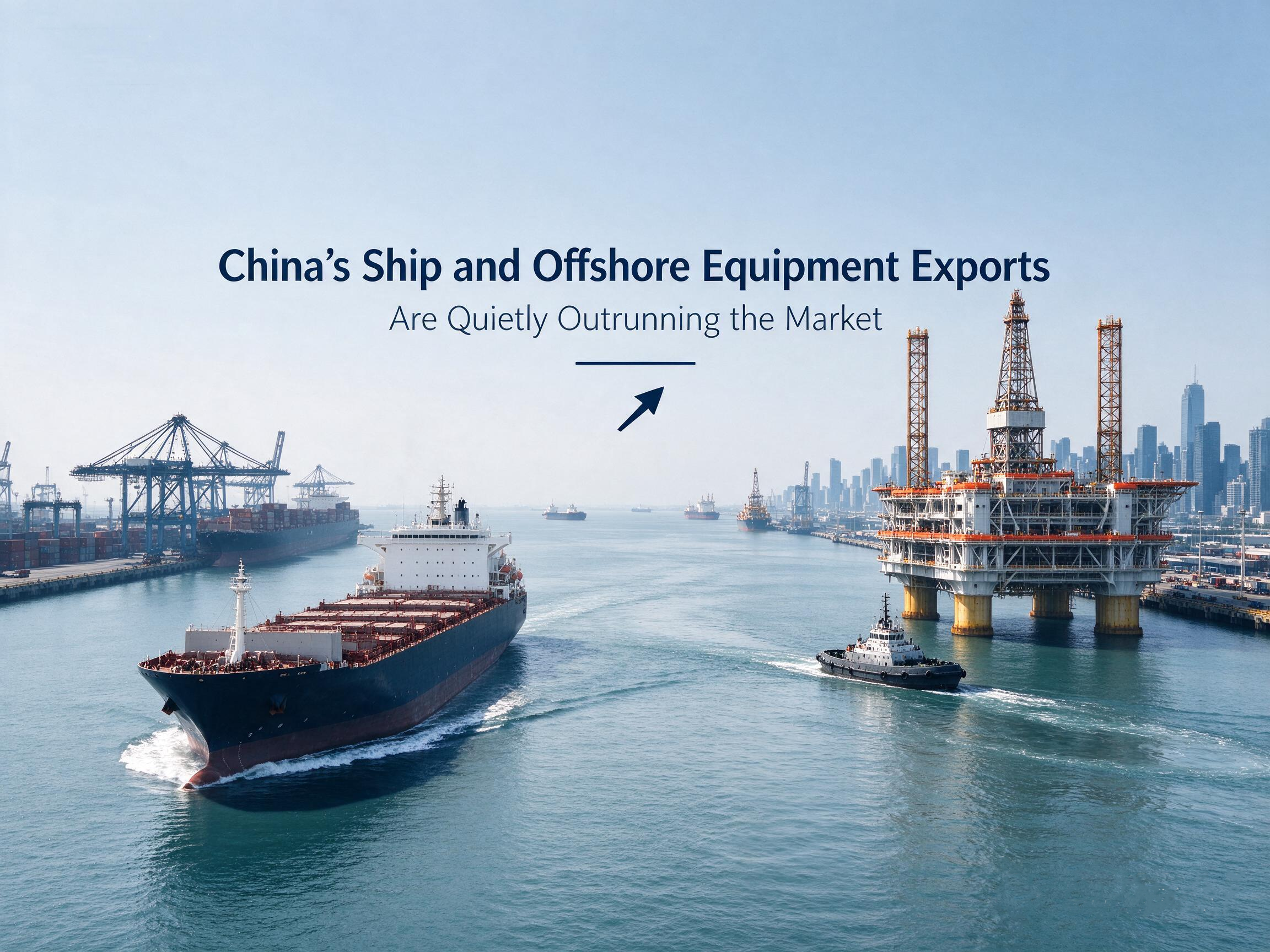
Behind the headline 18.8% trade growth, one segment is moving faster than almost anything else: ships and offshore equipment. The General Administration of Customs reported on Oct 14 that vessel exports topped 350 billion yuan in the first three quarters, up 24.6% year on year. For traders, that's not just a number — it's a whole supply chain lighting up.The story isn't volume, it's the type of ship. The growth is concentrated in the high-end, high-value end — ultra-large tankers, gas carriers, and vessels built for the low-carbon transition. That's a different league from building standard bulk carriers, and it's where margins and long-term orders sit.
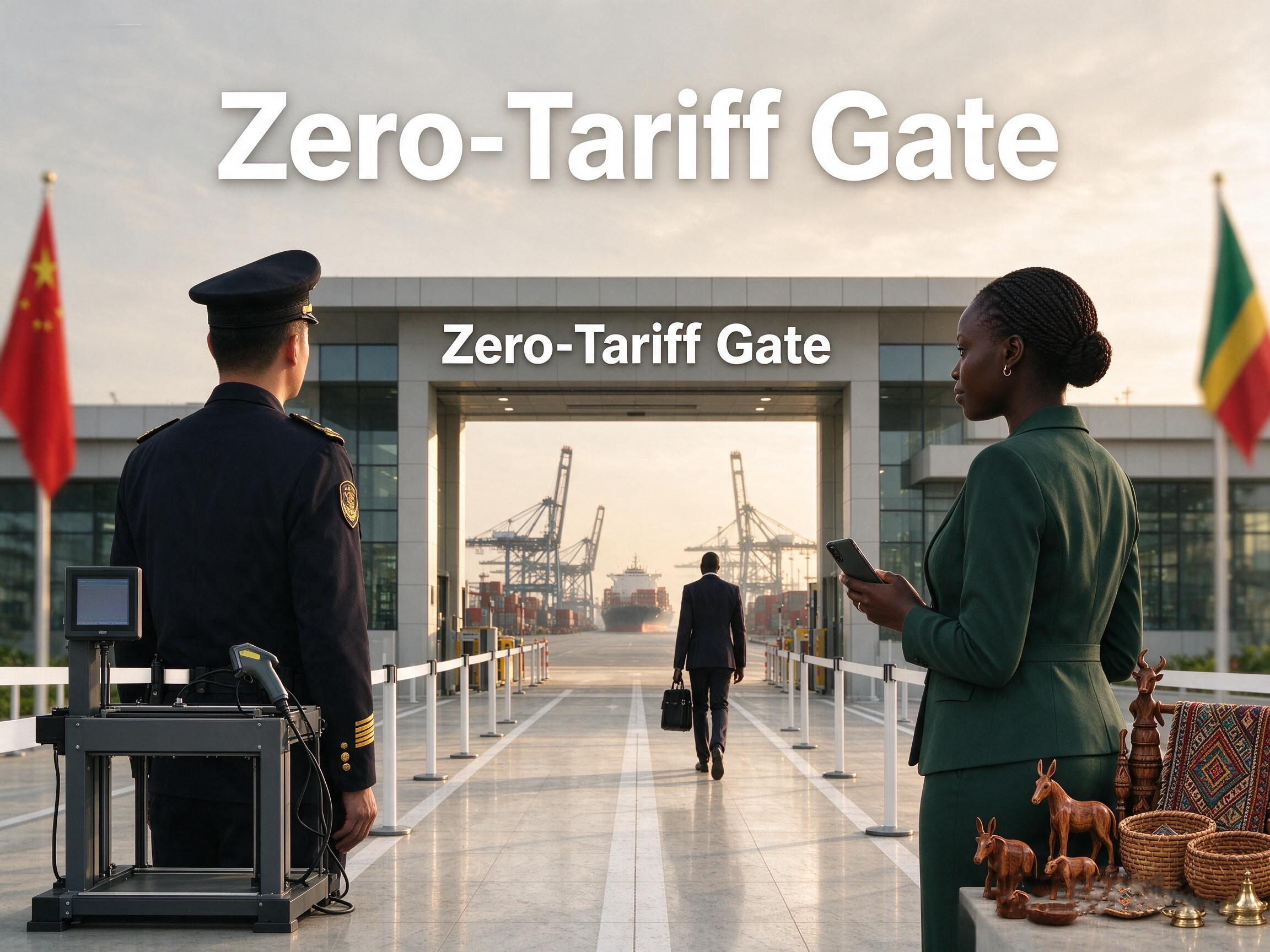
In early May, China extended full zero-tariff treatment to all 53 African countries with which it has diplomatic ties. Four months in, the effect is showing up clearly in the trade numbers — and it's not just China buying more, it's the mix that's shifting.The headline isn't the growth rate. It's what the cut actually removes. Cocoa beans, for instance, carried duties of 8%–22% before; now they're fully exempt. That changes two things at once: African specialty goods get cheaper to land in China, and African producers get a reason to move up the value chain — processing, packaging, branding — instead of shipping raw bulk.
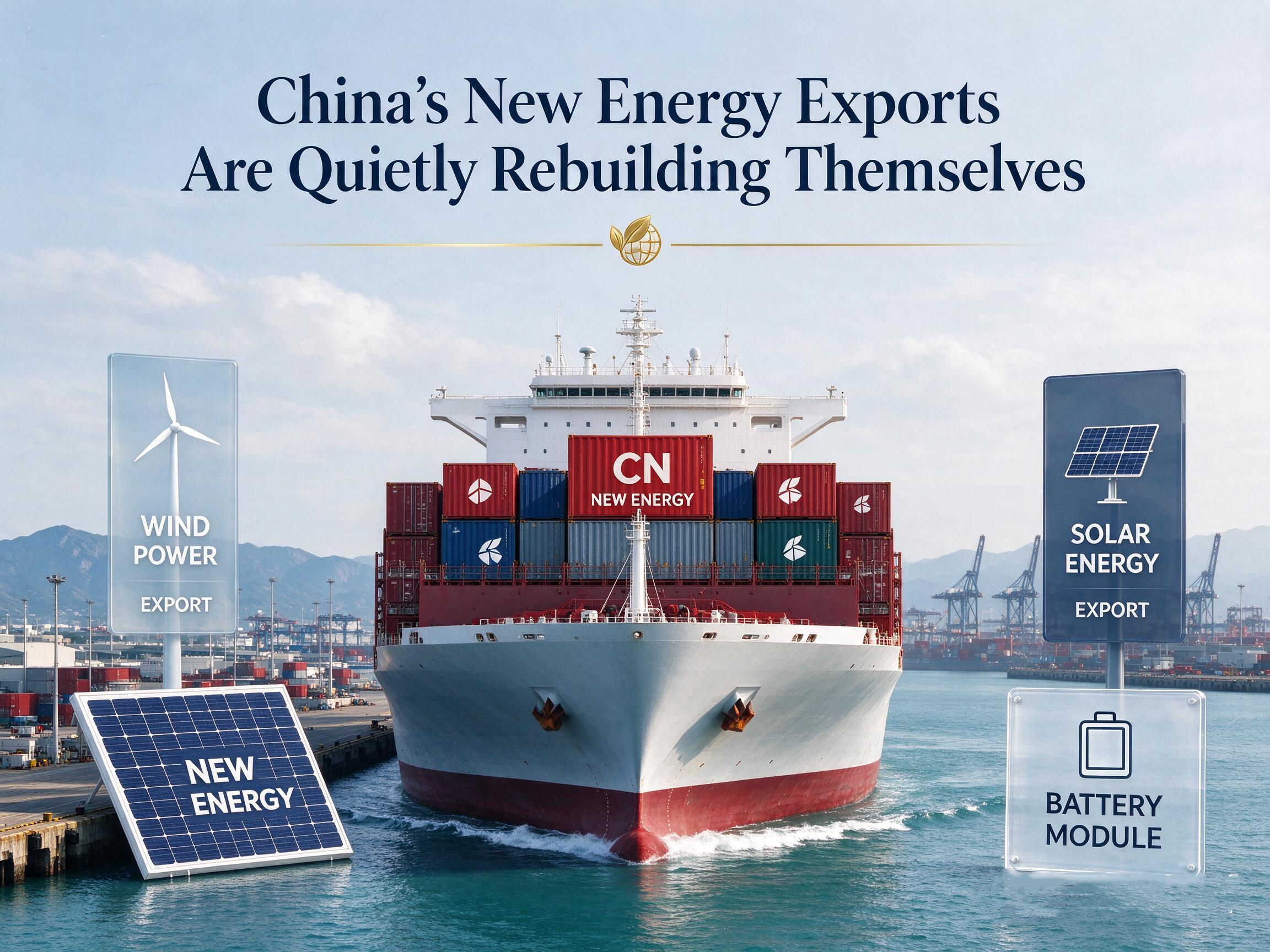
For years the story was simple: Chinese solar panels flooded the world. That phase is ending. What's replacing it is less about volume and more about value — and the numbers from the first eight months of 2026 tell that story cleanly.
The headline isn't the growth rate. It's the mix. Module export value is climbing while shipment volume sits still — meaning overseas buyers are paying more per unit for higher efficiency, better fit, and longer warranties. Cheap, undifferentiated product is being squeezed out, not the emerging markets.

China's steel export shipments held a strong run through late September. In the week of Sept 22–28, volumes reached 2.76 million tonnes, up 19.3% year on year and sitting about 255,000 tonnes above the recent eight-week average. August shipments to the world hit 10.31 million tonnes — back above the 10-million mark after dipping.The late-September dip was only week-on-week, after four straight weekly gains. Underneath, demand stayed firm: the print ran well above the eight-week norm, and August's monthly total returned to ten-digit tonnes. This is not a market cooling — it is a market holding its line.

China's dinner table is increasingly filled with food grown halfway around the world. Fresh trade data shows the country's agricultural imports from Latin America — soybeans, beef, cotton and more — keeping a strong pace in 2026, even as a tariff-quota shake-up in Brazil is redrawing where the volume flows.The shift is structural, not seasonal. Brazil remains the dominant supplier, but its beef quota is running dry, pushing traders toward Argentina and Uruguay. For exporters and logistics players, that means new lanes and new counterparts to map.

There's a corner of China's trade data that rarely makes the headlines. While the big numbers grab attention, a quiet channel — market procurement trade, customs code 1039 — is letting thousands of small traders and manufacturers ship overseas without drowning in paperwork. And this year, the numbers behind it are far from quiet.
The plain version: if you're a small factory or a market stall owner with no export license and no VAT invoice, 1039 was built for you. It's worth a closer look.

On September 24, Hangzhou kicked off its 2026 "Silk Road E-Commerce Day" on the sidelines of the Digital Trade Expo. Vice Minister of Commerce Yan Dong showed up, and over 120 representatives from more than 30 countries and international organizations sat in the room. The headline number is simple: this is the 10th year of China's Silk Road e-commerce cooperation, and the partner circle has grown to 38 countries. What's interesting isn't the count — it's that the program stopped being a trade-show ribbon-cutting years ago and turned into a working engine for getting small sellers onto global platforms.
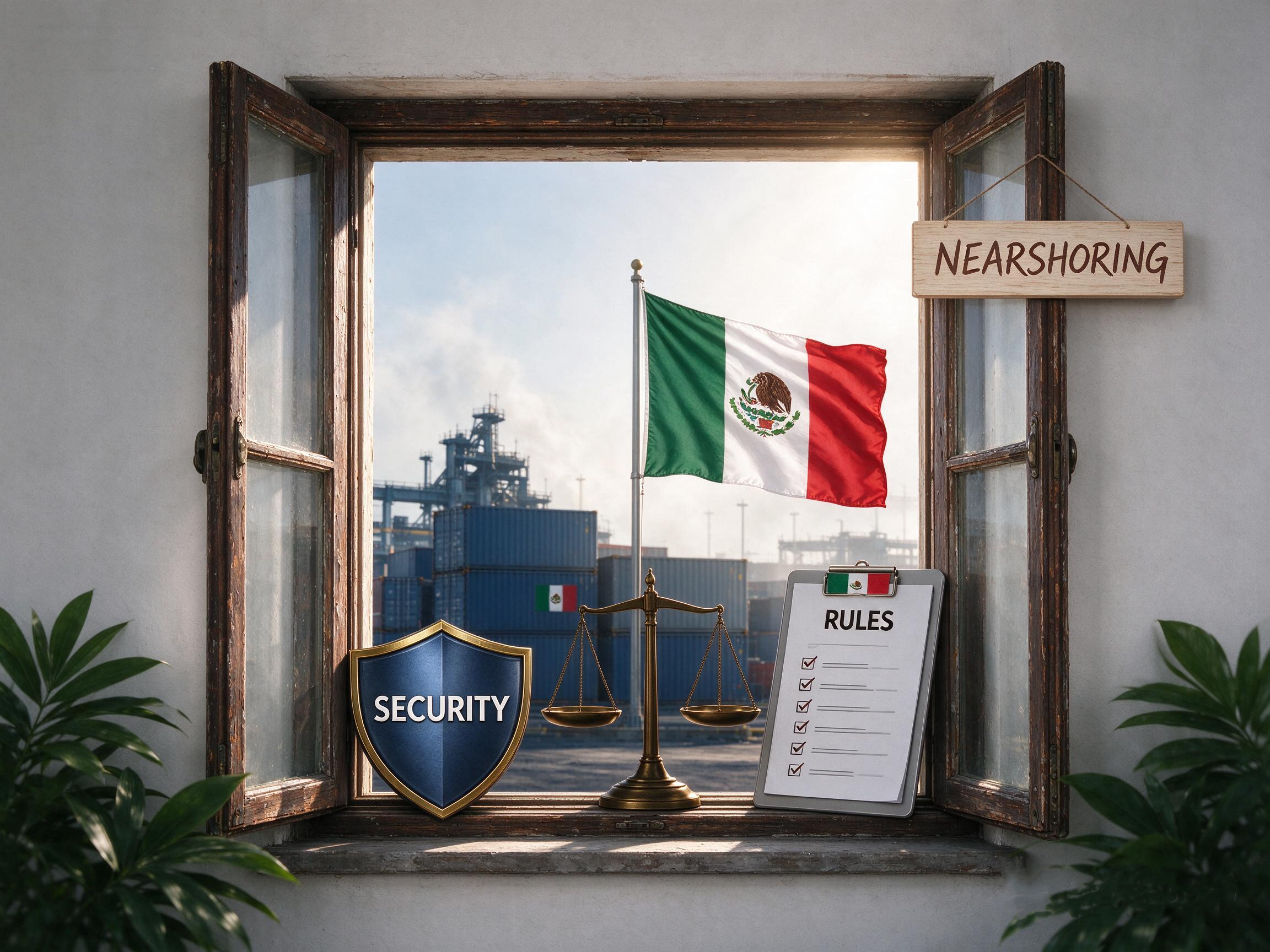
Here's the thing about Latin America right now: the money is moving, but the map keeps changing. In the first half of 2026, China–Mexico trade hit $57.2 billion, with our exports to Mexico at $45.47 billion, up 4.8% year on year. Mexico sits in the sweet spot — a gateway to the U.S. and Canada through USMCA, and the second-largest consumer market in the Spanish-speaking world. The opportunity is real. The catch is that 2026 has been the year the fine print started to bite.
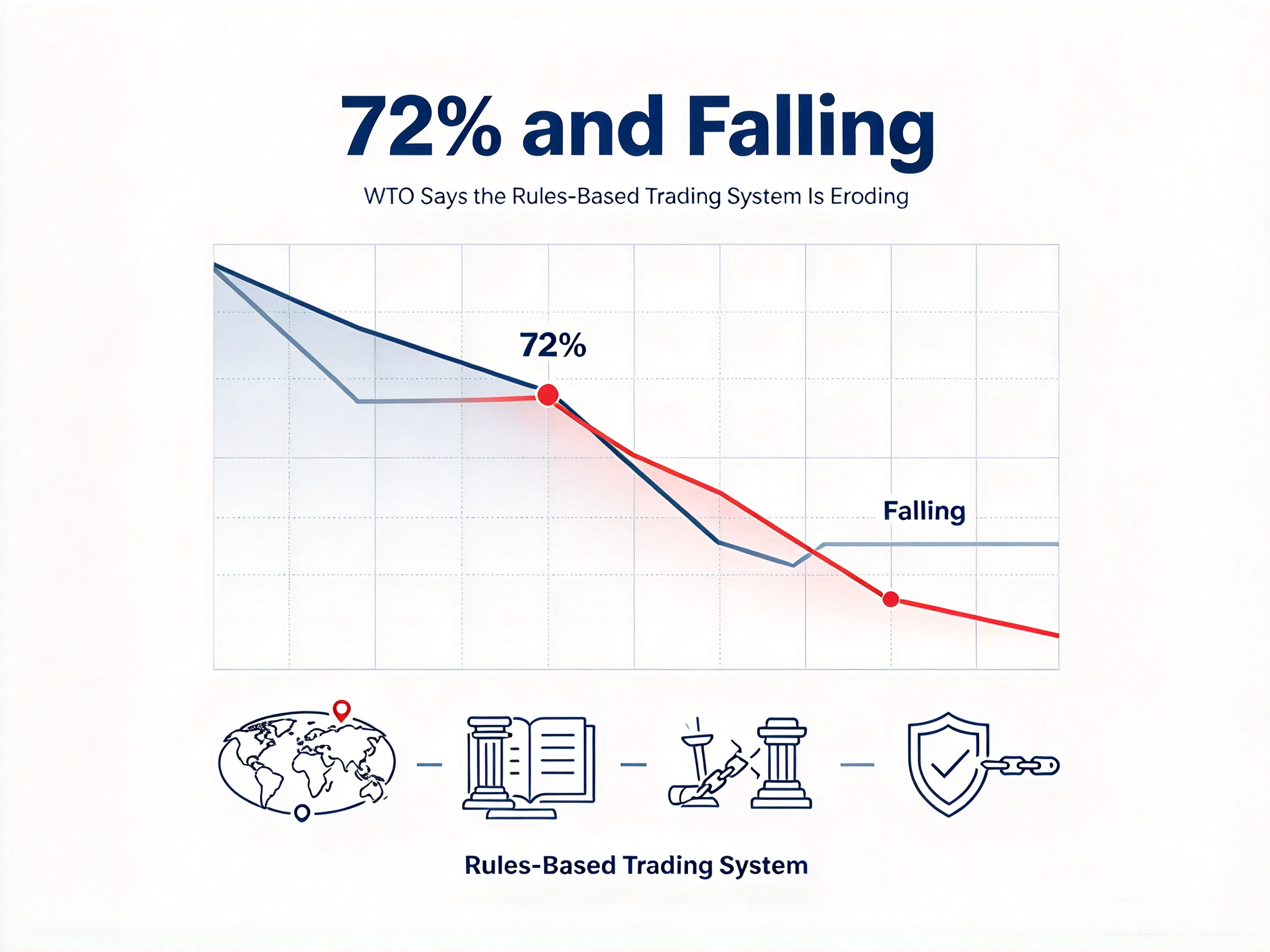
Nine days ago in Geneva, the World Trade Organization released a report that did not mince words. "Global trade policy and the WTO are experiencing the most serious and sustained disruptions since the multilateral trading system was created 80 years ago," the body wrote in its flagship World Trade Report 2026, published September 15. The headline number: if cooperation breaks down and the system fractures into competing blocs or a patchwork of bilateral deals, global GDP could land as much as 10 percent lower by 2050 than under a strengthened multilateral framework. That is not a forecast — it is the measured distance between two paths, and the WTO is telling its 166 members the window to choose is narrowing.
Tell us the market, company, product or supply-chain question you are working on.
Start an enquiry ↗