
GLOBAL TRADE INTELLIGENCE
GLOBAL TRADE INTELLIGENCE
GLOBAL TRADE INTELLIGENCE
GLOBAL TRADE INTELLIGENCE
GLOBAL TRADE INTELLIGENCE
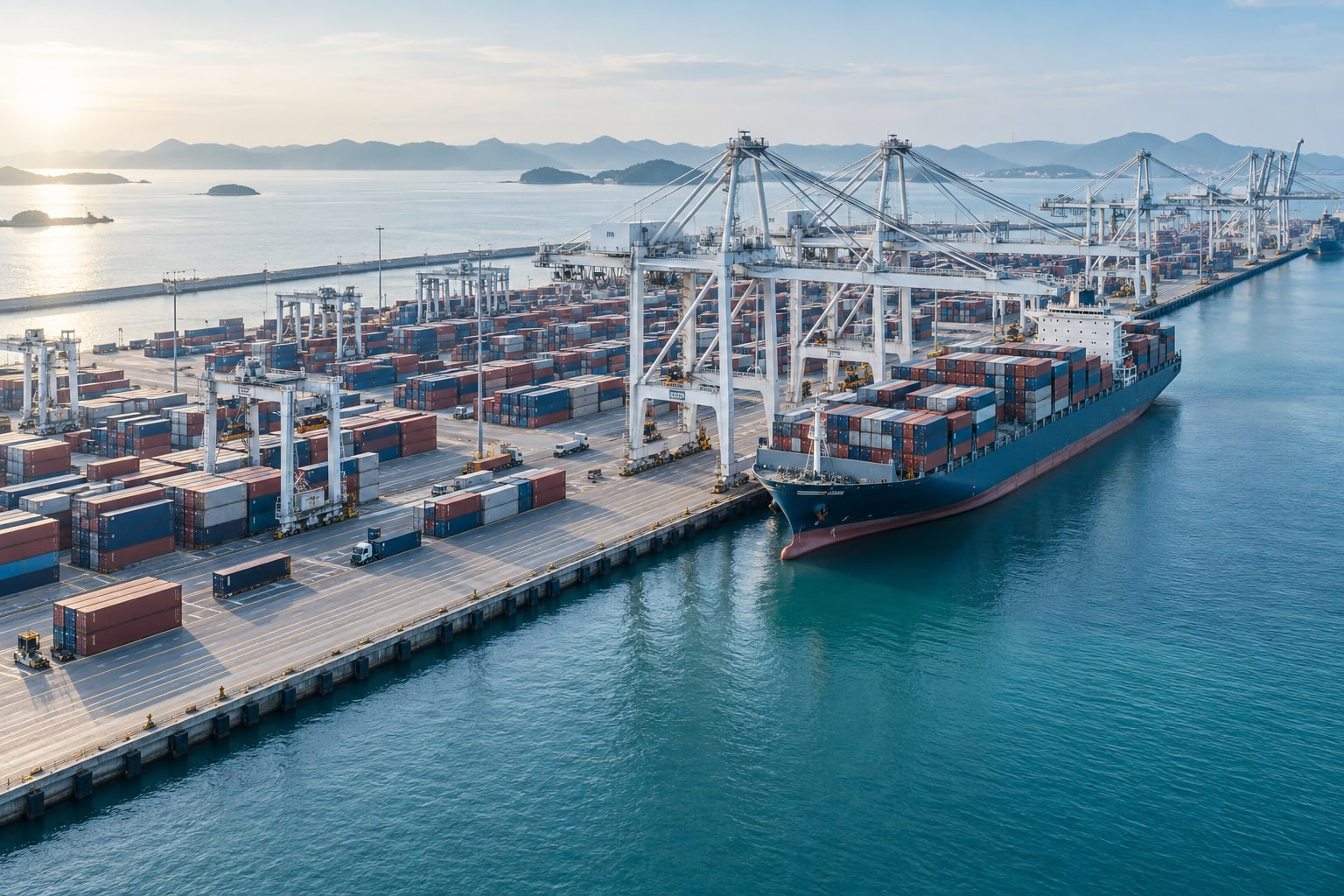

+ The trade data of the Belt and Road Initiative includes not only the countries along the "Silk Road Economic Belt", but also the countries along the "21st Century Maritime Silk Road", especially the transit trade data in Africa.
+ The trade data contains information on import and export enterprises, which can restore the trade situation between import and export companies.
Trade Data Content:
Enterprise Information: Consignee (importer) name, shipper (exporter) name, freight forwarding company, carrier company;
Basic Commodity Information: Customs code, product description, detailed product name;
Commodity Shipping Information: Destination country, country of origin, trade type, entry customs, exit customs, entry transport mode, etc.;
Commodity Quantity and Price Information: Total contract amount, gross weight, settlement currency, unit price in US dollars based on weight.
One Belt One Road is an important economic cooperation initiative proposed by China, aimed at strengthening cooperation and trade with countries along the route, accelerating economic development in Asia, Europe, Africa, and other regions. The initiative has attracted widespread attention from governments and enterprises because of its obvious trade benefits for countries along the route.
Firstly, the implementation of One Belt One Road provides more convenient trade channels for countries along the route. As many of the countries are geographically remote and transportation is inconvenient, which has limited trade development, the implementation of One Belt One Road eases this restriction. China has invested a lot of capital and resources in building infrastructure such as railways, highways, ports, and power grids, which greatly improves logistics conditions for countries along the route, speeds up the flow of goods, and lowers transaction costs.
Secondly, the implementation of One Belt One Road provides more trade opportunities for countries along the route. This initiative means that economic and commercial ties between countries along the route will be strengthened, promoting regional economic integration and industrial upgrading. By constructing and developing interconnected infrastructure and economic zones, the implementation of One Belt One Road will facilitate industry coordination and optimization, thereby providing broader markets and increasing trade opportunities for countries along the route.
For foreign trade enterprises, it is essential to develop markets in countries along the One Belt One Road route. Here are some practical suggestions:
Firstly, understand the market demand and cultural characteristics of countries along the One Belt One Road route. Each country has its unique culture and business environment, and understanding this information will help enterprises better adapt to local markets. By researching market trends and target customers, enterprises can identify the most suitable marketing strategies and product portfolios.
Secondly, seek suitable partners. The business environment and regulations in countries along the One Belt One Road route differ from Western countries, so establishing local business contacts and partners is essential. Finding reliable local partners will help enterprises succeed in local markets.
Finally, establish a good brand image and reputation. Establishing a good brand image and reputation in the markets of countries along the route will help enterprises attract more attention and sales in local markets. Active brand promotion and participation in local events and activities can help build brand recognition and reputation.

Use this page’s data introduction and sample to assess B&R import and export research. Match the record type and available fields to your business question before comparing markets or companies.
Check the reporting country, import or export direction, period, product description or HS code, units and available company fields. Customs records, shipment records and aggregate statistics do not necessarily contain the same information.
Request confirmation of the latest reporting period, historical coverage and update frequency for the specific extract. A sample illustrates its format; it is not evidence of current delivery coverage.
Provide the country, product or HS code, trade direction, required period and the business question. Identify the fields you need so that their availability can be checked before selecting a service.
Tell us the market, company, product or supply-chain question you are working on.
Start an enquiry ↗