

GLOBAL TRADE INTELLIGENCE
GLOBAL TRADE INTELLIGENCE
GLOBAL TRADE INTELLIGENCE
GLOBAL TRADE INTELLIGENCE
GLOBAL TRADE INTELLIGENCE
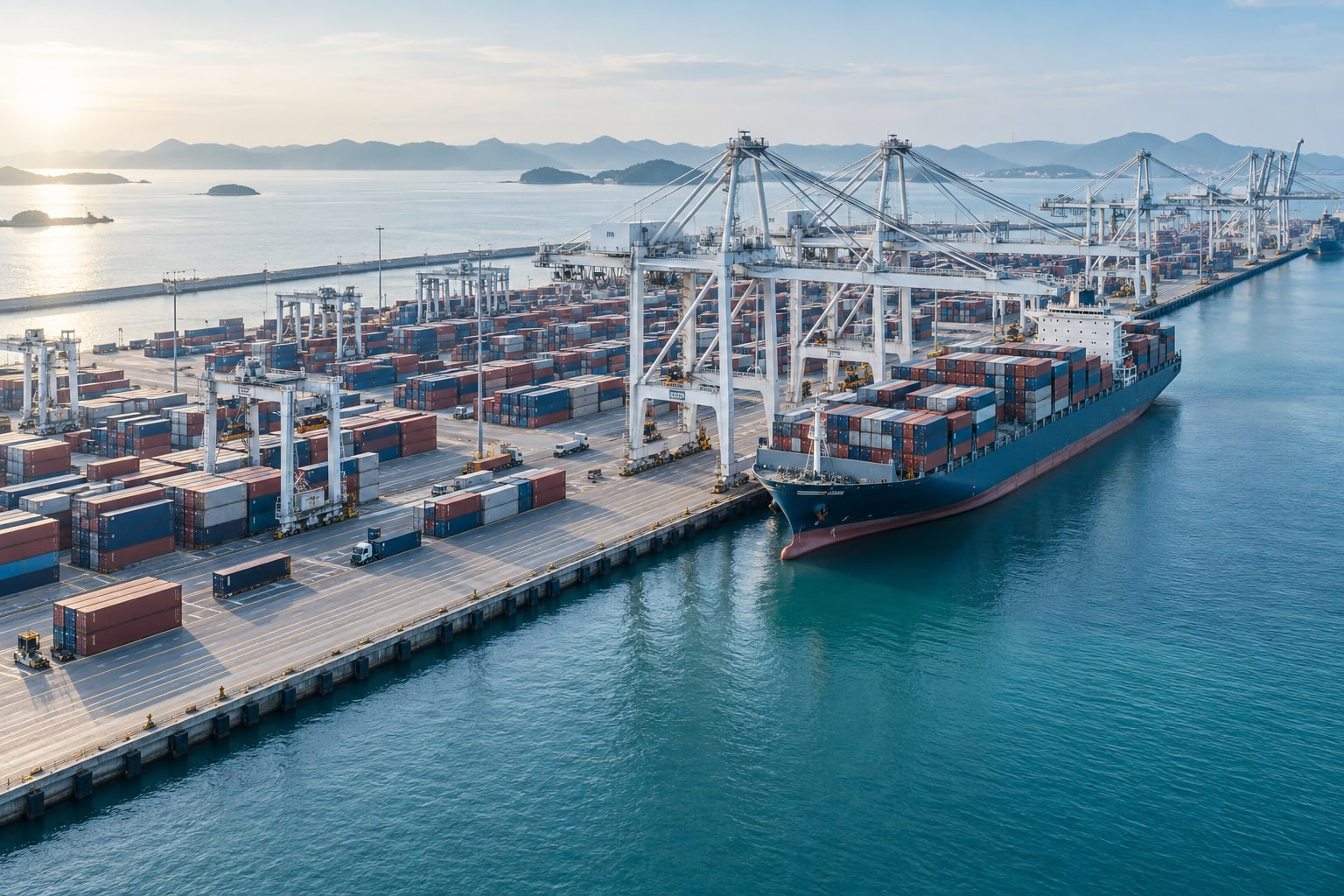

+ Provides cargo shipping information for over 80 countries worldwide.
+ Data includes supply relationships between purchasers, suppliers, and shipping companies, as well as information on the products being shipped.
Global trade data for shipping routes includes:
Business information: This data includes purchasers, suppliers, notify parties, shipping companies, and other relevant entities.
Commodity freight information: This includes detailed fields such as country of origin, destination country, port of departure, port of arrival, and delivery location.
Freight agency information: This includes the freight agency company, shipping company, booking number, bill of lading number, and shipping terms.
Commodity information: This includes TEUs (twenty-foot equivalent units), cargo weight, cargo volume, number of packages, and gross tonnage.
Global trade data for shipping routes includes: Algeria, United Kingdom, Libya, Bangladesh, United Arab Emirates, Peru, Dominican Republic, Sweden, Spain, Sudan, India, Singapore, Macau (China), Taiwan (China), Ireland, Cambodia, Sri Lanka, Colombia, Portugal, Mexico, Uruguay, Chile, Japan, Finland, Norway, New Zealand, Slovenia, Brazil, Philippines, Canada, Israel, China, Kuwait, Lithuania, South Korea, Estonia, Russian Federation, Tanzania, Latvia, Nigeria, Senegal, Vietnam, Germany, Togo, Iran, Benin, Morocco, Bahrain, Syria, Djibouti, Iraq, Belgium, Cote d'Ivoire, United States, South Africa, Thailand, Tunisia, Greece, Indonesia, Saudi Arabia, Jordan, Netherlands, Malaysia, Australia, Italy, Pakistan, Ghana, Kenya, Myanmar, Panama, Poland, Qatar, Oman, Egypt, Denmark, France, Argentina, Lebanon, Malta, Turkey.

Use this page’s data introduction and sample to assess Shipping Bills import and export research. Match the record type and available fields to your business question before comparing markets or companies.
Check the reporting country, import or export direction, period, product description or HS code, units and available company fields. Customs records, shipment records and aggregate statistics do not necessarily contain the same information.
Request confirmation of the latest reporting period, historical coverage and update frequency for the specific extract. A sample illustrates its format; it is not evidence of current delivery coverage.
Provide the country, product or HS code, trade direction, required period and the business question. Identify the fields you need so that their availability can be checked before selecting a service.
Tell us the market, company, product or supply-chain question you are working on.
Start an enquiry ↗