

GLOBAL TRADE INTELLIGENCE
GLOBAL TRADE INTELLIGENCE
GLOBAL TRADE INTELLIGENCE
GLOBAL TRADE INTELLIGENCE
GLOBAL TRADE INTELLIGENCE
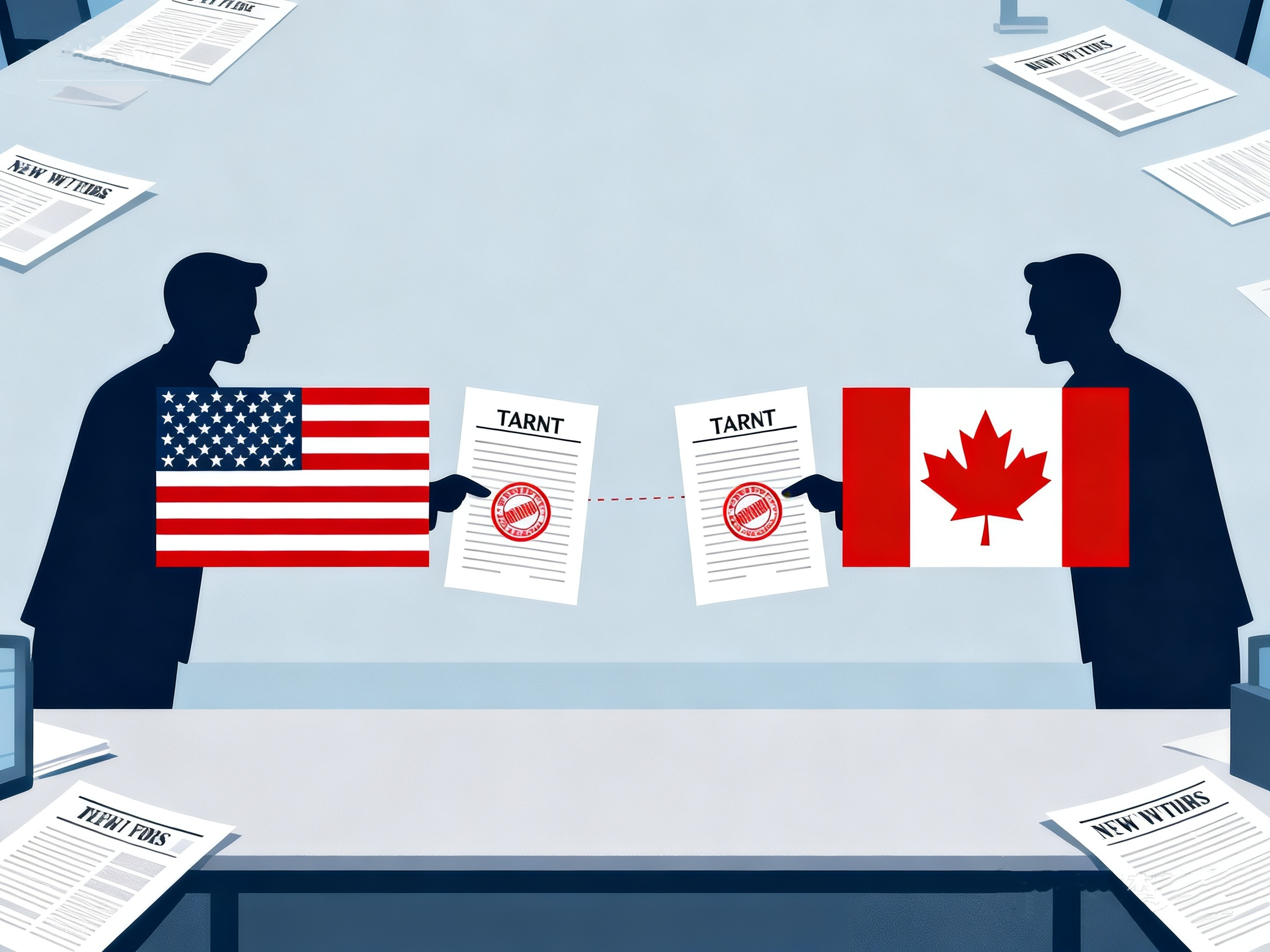
At 12:01 a.m. this morning, Canada's retaliatory tariffs on roughly C$27.6 billion in American goods officially kicked in — escalating the Canada-U.S. trade war into uncharted territory. The move, announced August 25 and confirmed in the Federal Finance backgrounder, delivers a mirror-for-mirror response to Washington's August 22 decision to slap 50% duties on a comparable volume of Canadian exports. Finance Minister François-Philippe Champagne called it the Canada Strong Response Plan. For global traders, the question is no longer whether supply chains will be disrupted — it is how severely, and for how long.
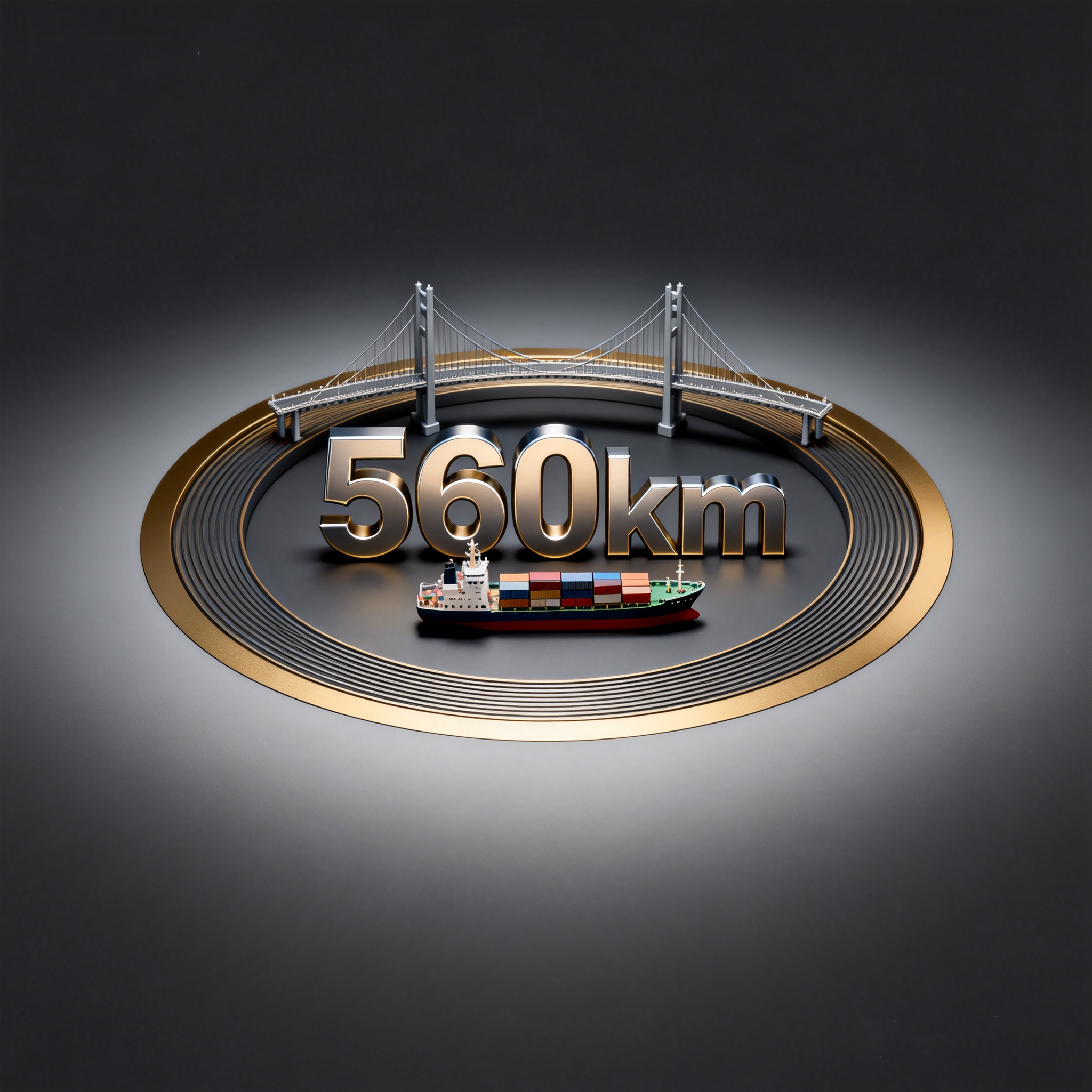
While EU tariff threats and US friction dominated the headlines this week, the bigger story was running quietly through the hills of Guangxi. A 134.2-km canal — the first river-to-sea waterway built in China since 1949 — opens to navigation this month, slicing 560 km off the voyage from China's southwest interior to ASEAN ports and cutting logistics costs by 18% to 30%. The Pinglu Canal lands just days before the 23rd China–ASEAN Expo opens in Nanning on Sept. 17, and it arrives on top of a freshly confirmed milestone: two-way trade crossed the US$1 trillion mark for the first time in 2025, and 2026 is running nearly 25% hotter.

The EU's top trade official gave China a deadline. Beijing answered before the echo faded. At a regular MOFCOM press briefing on Thursday, spokesperson Huang Ling drew a clear line: China-EU consultations at every level must operate on equal footing, reject unilateral demands, and stop using market-closure threats as bargaining chips. The direct rebuke — delivered one day after EU Trade Commissioner Maroš Šefčovič warned the bloc would deploy "all trade defense tools" if negotiations failed — marks one of the sharpest diplomatic exchanges in the bilateral trade relationship this year.
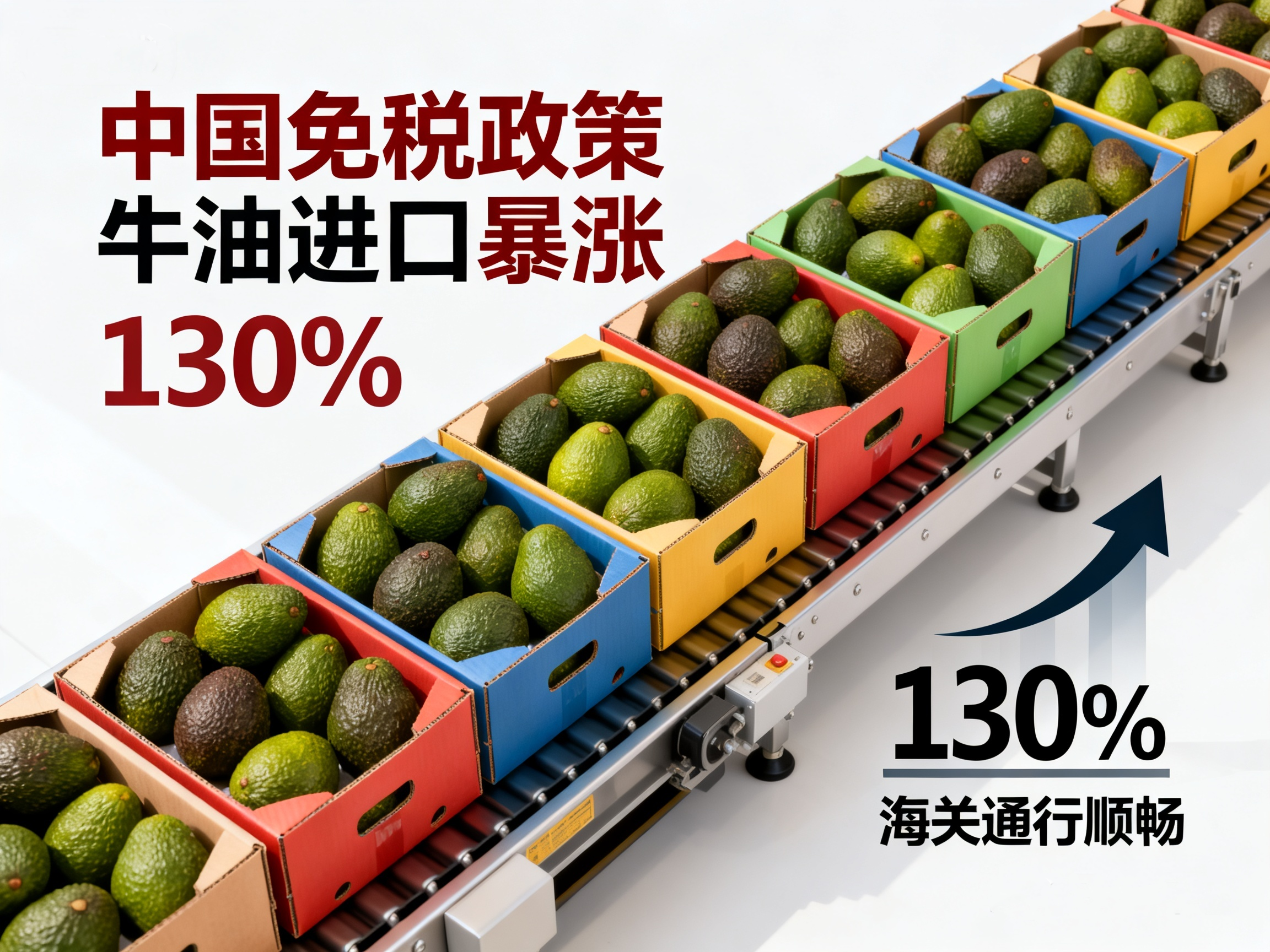
Just three months after Beijing scrapped tariffs on nearly all African exports, the numbers are already moving. Effective May 1, 2026, China extended zero-tariff treatment to 100% of tariff lines from 53 African countries with diplomatic ties — and by mid-August, African avocado shipments into China had more than doubled, apples jumped 89.6%, and oranges climbed 27.9%. What looked like a symbolic gesture of Global South solidarity is rapidly becoming one of the fastest-rebalancing trade corridors of the year.
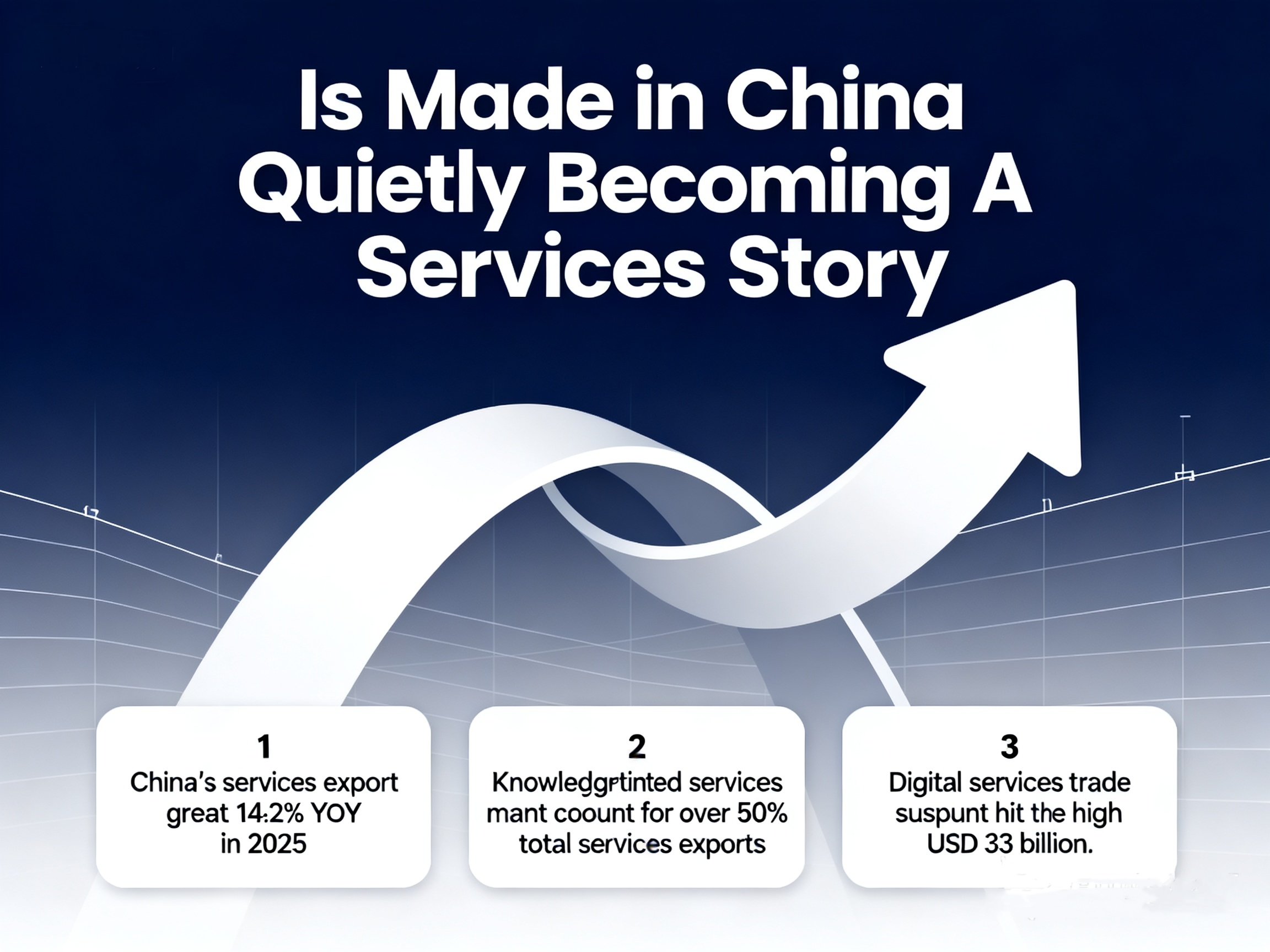
Just hours after the Ministry of Commerce dropped its half-year services trade figures, the numbers told a story the goods-trade headlines have been crowding out: China is no longer only shipping boxes — it is now exporting experiences, know-how and digital services at a clip that is outrunning the cargo side. While factories grabbed the spotlight with a 30.13-trillion-yuan goods trade print, the services ledger grew its own quiet muscle.
While Brussels tightens probes and Washington piles on levies, Bern chose the opposite lane. On August 20 in Bern, Commerce Minister Wang Wentao and Swiss President Guy Parmelin closed five rounds of talks and concluded an upgraded China–Switzerland free trade agreement — the first FTA China ever signed with a continental European economy, now modernized for a protectionist age. The message was unambiguous: when others build walls, Switzerland is widening the door.
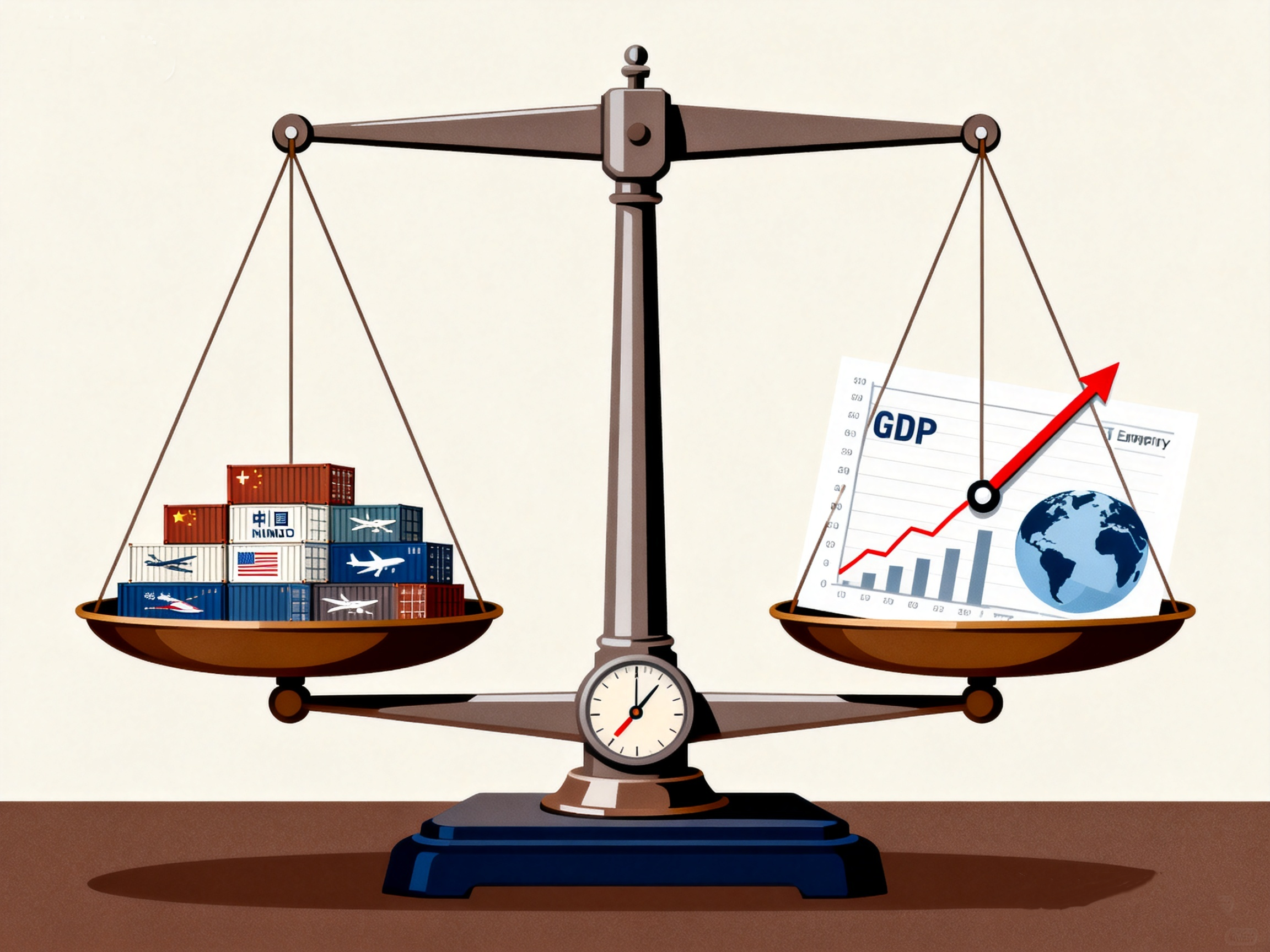
While Western commentators dust off the "China Shock 2.0" narrative, Beijing's newest trade data tells the opposite story. China News Service's International Review led Monday with a blunt framing: the country is no longer just the world's workshop — it is now both the globe's "super seller" and its "super buyer," and the two flows are moving in the same direction at once.
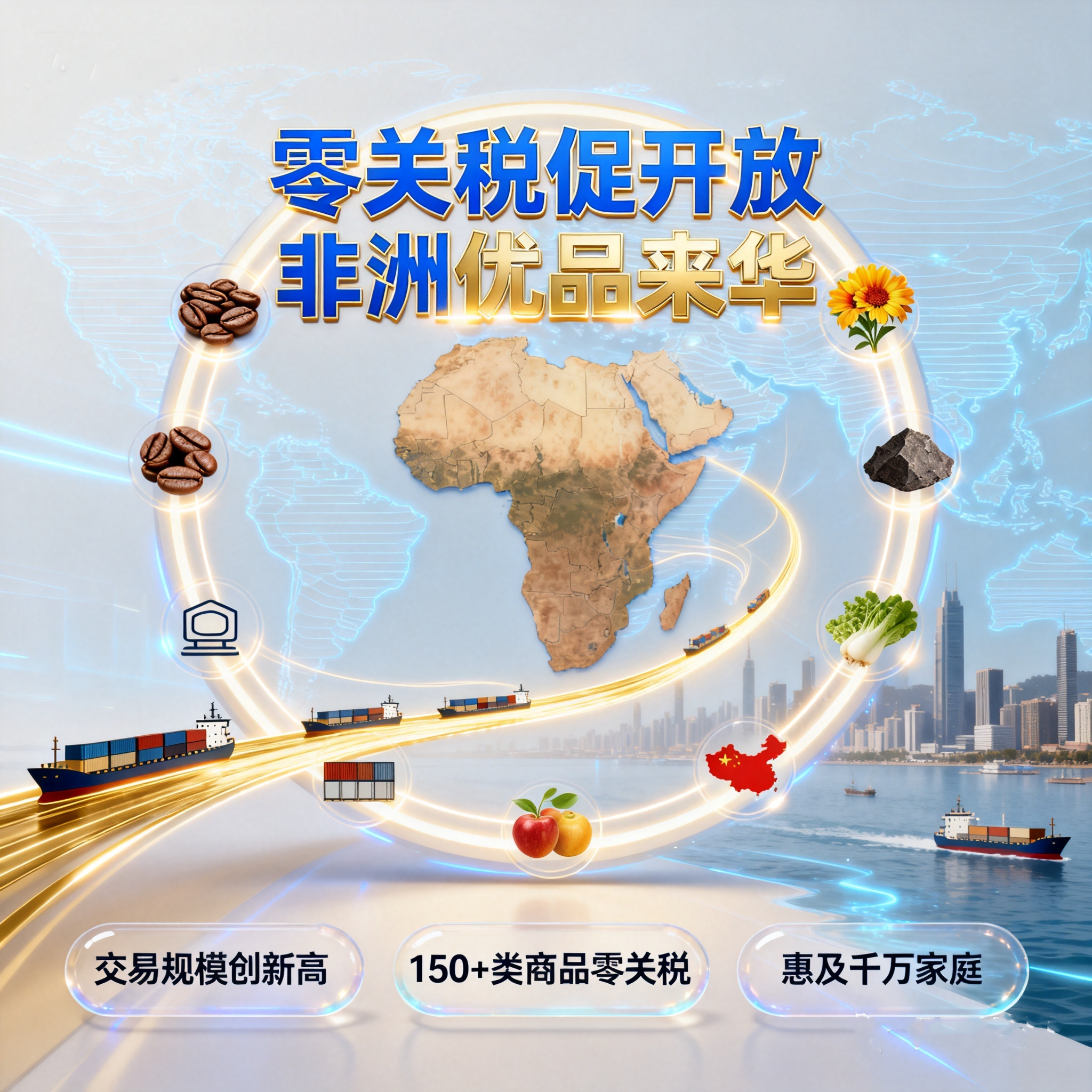
Time to look at a corner of trade that's been quietly heating up. Since May 1, China has applied zero tariff to all 53 African countries it has diplomatic ties with — the first major economy to do this unilaterally, and with no political strings attached. Three and a half months in, the numbers are in, and they're not small. H1 China-Africa trade hit 1.41 trillion yuan (about $207 billion), the highest same-period figure on record, and full-year is expected to set a fresh high. May and June alone, imports from Africa reached 193.8 billion yuan, up 23.5% year on year. In plain terms, Africa's products are finally getting a real shot at the Chinese market, and the buying isn't slowing.
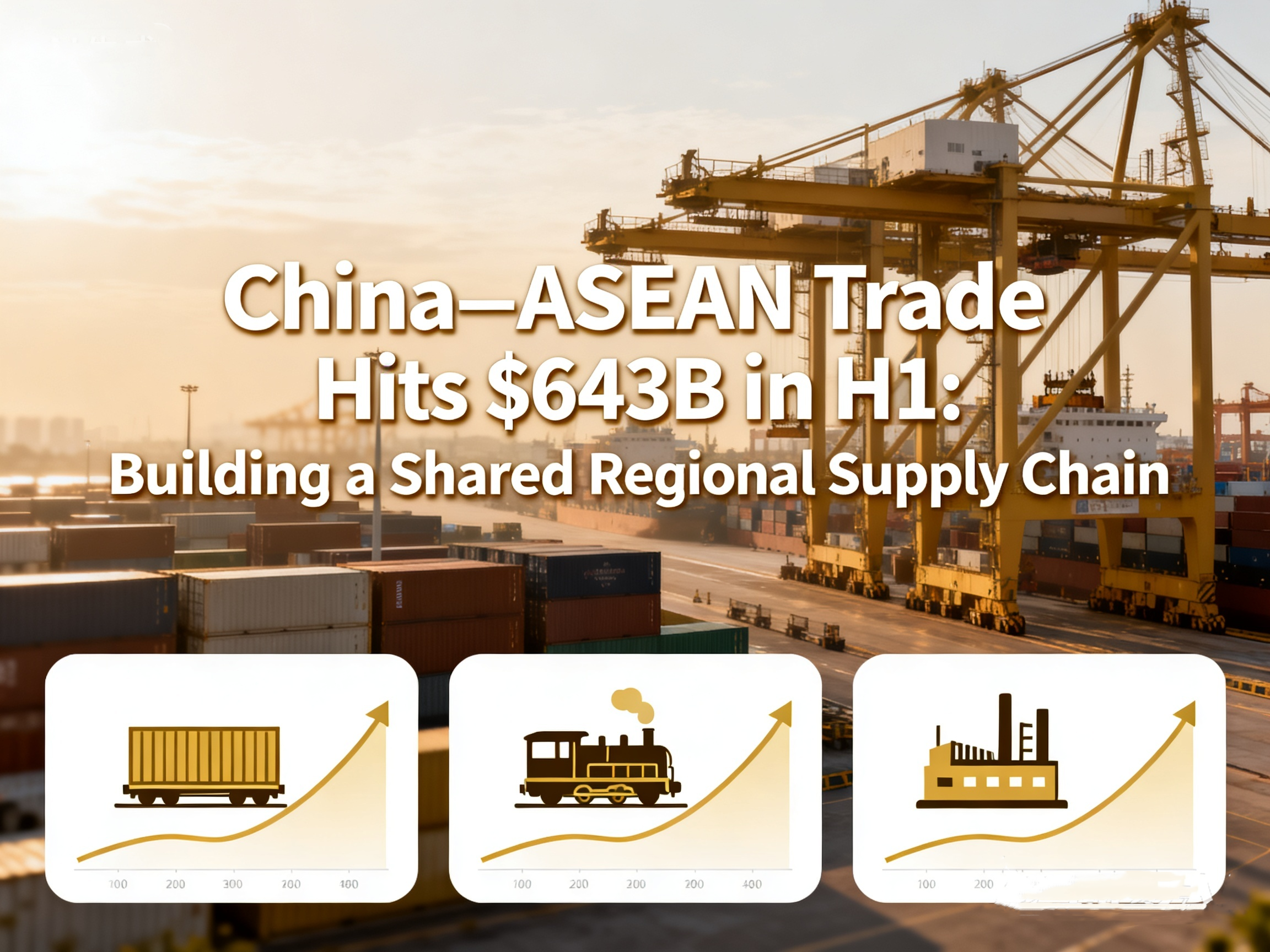
Two numbers out today (Aug 20) change how you should read the region. China–ASEAN trade reached 4.34 trillion yuan in the first half, up 18.2% year on year — but the real story is the mix. Intermediate goods hit 2.86 trillion yuan, up 24.5%, and now make up two-thirds of the whole. In plain terms: this isn't "you buy mine, I buy yours" anymore. We build the parts, ASEAN assembles, and the finished goods go to a third market. The two sides aren't trading — they're manufacturing together.
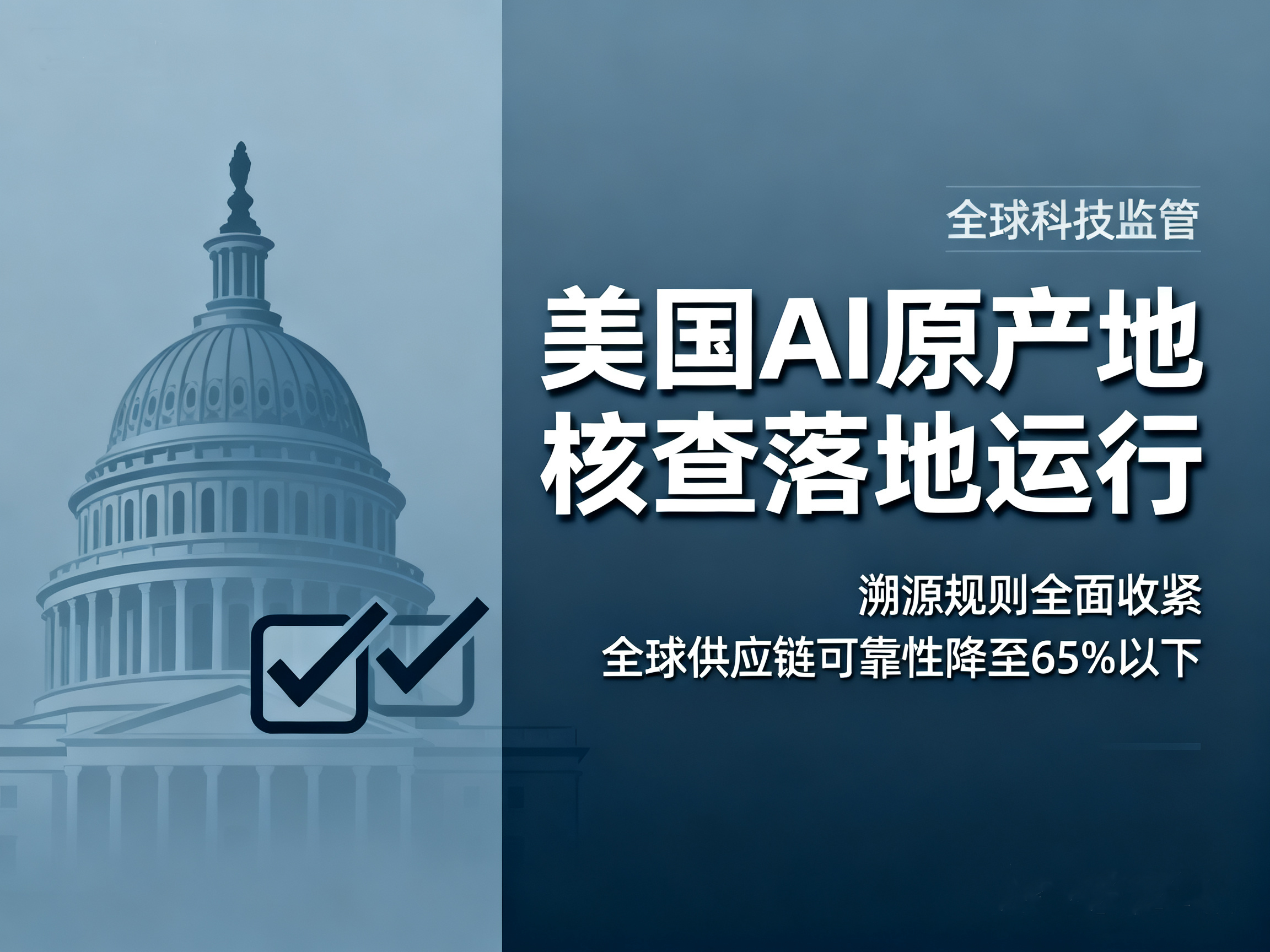
Today (Aug 19) two headlines hit cross-border sellers at once: US Customs' AI origin-verification system "Detective Border" is now operational — over 95% accuracy, roughly $75B in suspicious transshipment flagged — squeezing the grey space of third-country routing. At the same time global container schedule reliability slid to 60%–65%, with about 1.7 million TEU absorbed by port congestion. Stack on top Amazon's EU MRN/EORI mandate effective Sep 1, and you've got three gates — transshipment, shipping, compliance — tightening in the same window. Q3-end is going to be a rough patch.
Tell us the market, company, product or supply-chain question you are working on.
Start an enquiry ↗