

GLOBAL TRADE INTELLIGENCE
GLOBAL TRADE INTELLIGENCE
GLOBAL TRADE INTELLIGENCE

GLOBAL TRADE INTELLIGENCE
GLOBAL TRADE INTELLIGENCE

Today (Aug 18) Chinese media are digesting the NBS data dropped yesterday: the first seven months of goods trade came in at 30.13 trillion yuan, up 17.3% year on year, with imports outrunning exports again. Stack that on top of last week's 90-day tariff truce extension and a yuan holding below 6.79, and exporters are looking at a rare "data + policy" double tailwind. The trick is actually catching it.
Today (Aug 17) the regional customs offices dropped their first-seven-months scorecards, on top of last week's 90-day tariff truce extension and the yuan holding below 6.75. For exporters, that's a rare combo of good news landing at once. The General Administration of Customs put out the national numbers on Aug 7: in the first seven months, China's goods trade hit 30.13 trillion yuan, up 17.3% year on year — the first time that seven-month total has ever crossed 30 trillion. Exports came to 17.44 trillion (+14%), imports 12.69 trillion (+22%).
While Beijing's trade surplus in machinery and electronics keeps making headlines, a quieter number is quietly rewriting the structure of China's import bill. In the first seven months of 2026, China's agricultural trade deficit reached $68.57 billion — a figure that widened 15.3% year on year, even as the renminbi fell to 6.74 per dollar, its weakest level in nearly three years. Imports are not slowing. They are getting more expensive and growing anyway, and that gap tells a different story than the headline trade numbers.
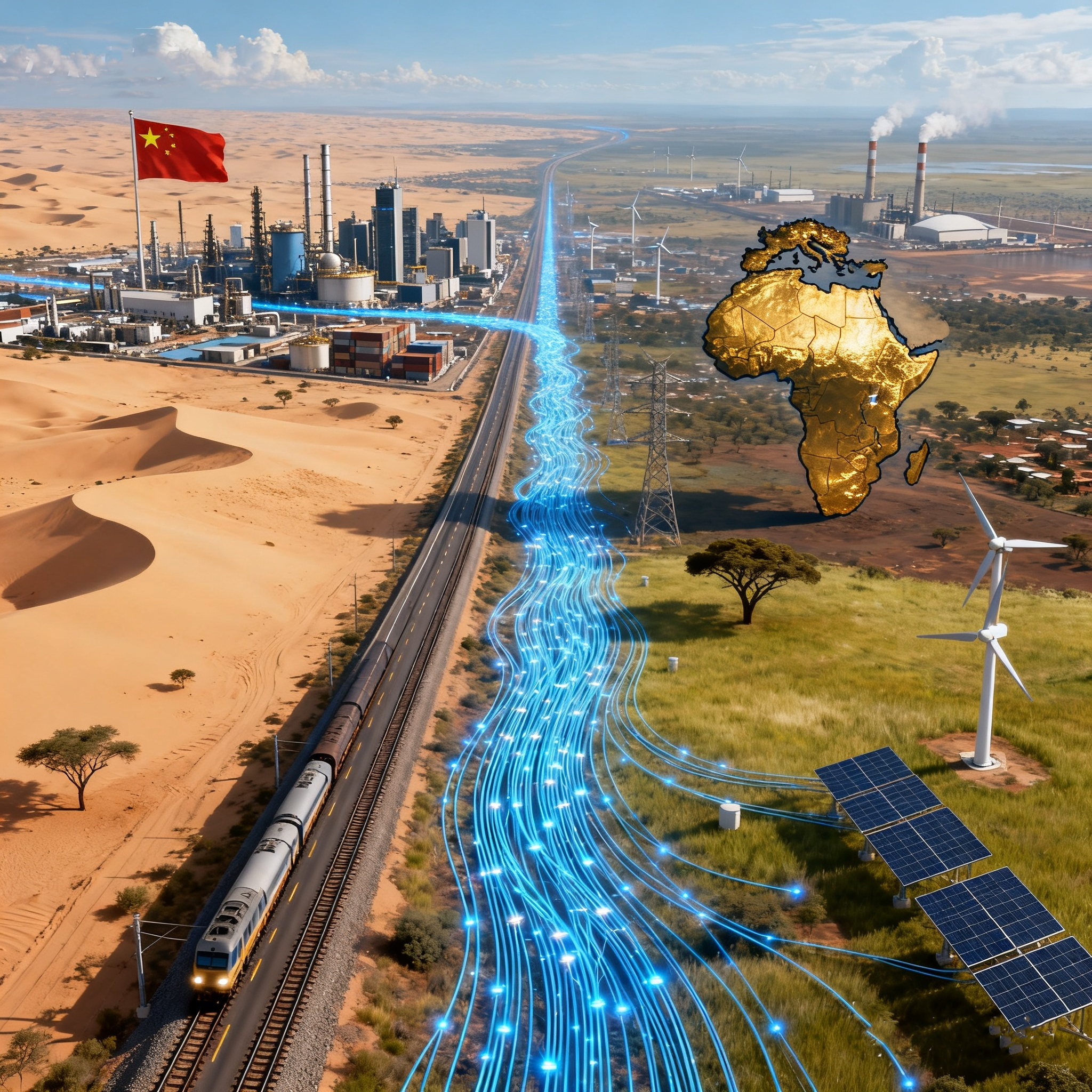
Just months after Beijing scrapped tariffs on all 53 African nations, African goods are pouring into China at a pace few predicted — and Chinese factories are shipping the other way just as fast. The zero-tariff move, which took effect on May 1, 2026, is no longer a policy footnote: the numbers are already moving.
Customs data tells the story cleanly. In the two months right after the zero-tariff regime switched on, China's imports from Africa hit ¥193.8 billion, up 23.5% year-on-year — proof that the tariff cut didn't just open a door, it swung it wide. On the export side, China shipped ¥534.1 billion of mechanical and electrical products to Africa in the first half, a 28.8% jump, the kind of double-digit climb that says African buyers are investing, not just consuming.

Just days after the General Administration of Customs confirmed July's trade surplus blew past forecasts at $112.5 billion, a deeper breakdown landed this morning — and the headline figure is the one Western policymakers least wanted to see. High-tech product exports surged more than 50% year-on-year in July alone, contributing close to 60% of the entire monthly export increment. While Washington tightens export controls, Chinese factories are shipping the very hardware the global AI build-out runs on.
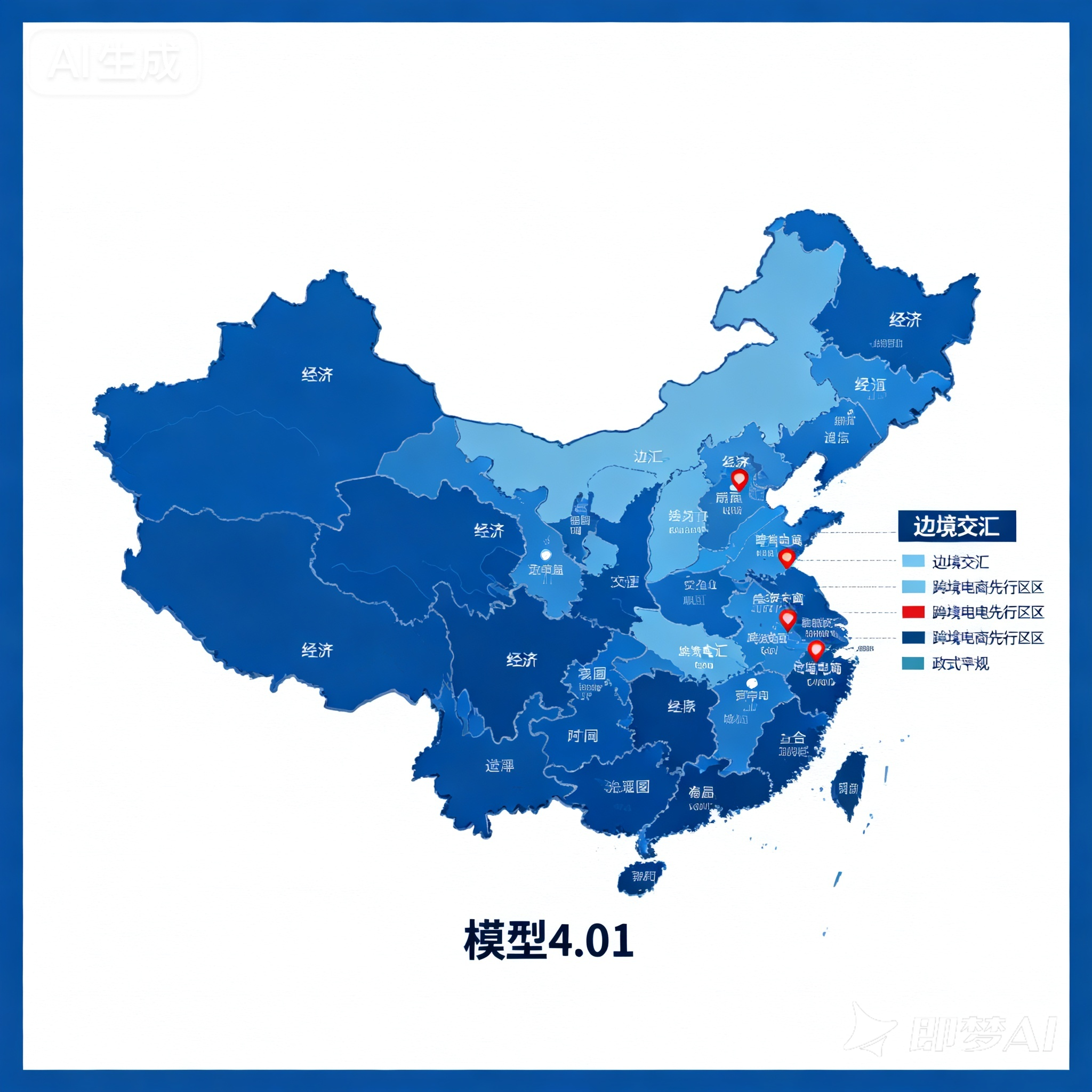
Two numbers sit side by side in the General Administration of Customs release covering January–July 2026, and they point in opposite directions. China–ASEAN trade hit 5.14 trillion yuan, up 20%. China–US trade came in at 2.38 trillion yuan, down 1.6%. Same seven months, same global economy — one partner accelerating, the other quietly shrinking. That gap is no longer a trend line. It is the map.
Just after 4 p.m. Beijing time today, the Ministry of Commerce website refreshed twice inside the same hour — and both notices landed on the same target. Announcement No. 34 of 2026 tightened export controls on drones and their key components heading to the United States. Announcement No. 33 opened a national security investigation into imported printing and copying office equipment. The second one is the headline nobody expected: it is the first foreign trade national security investigation China has ever launched.
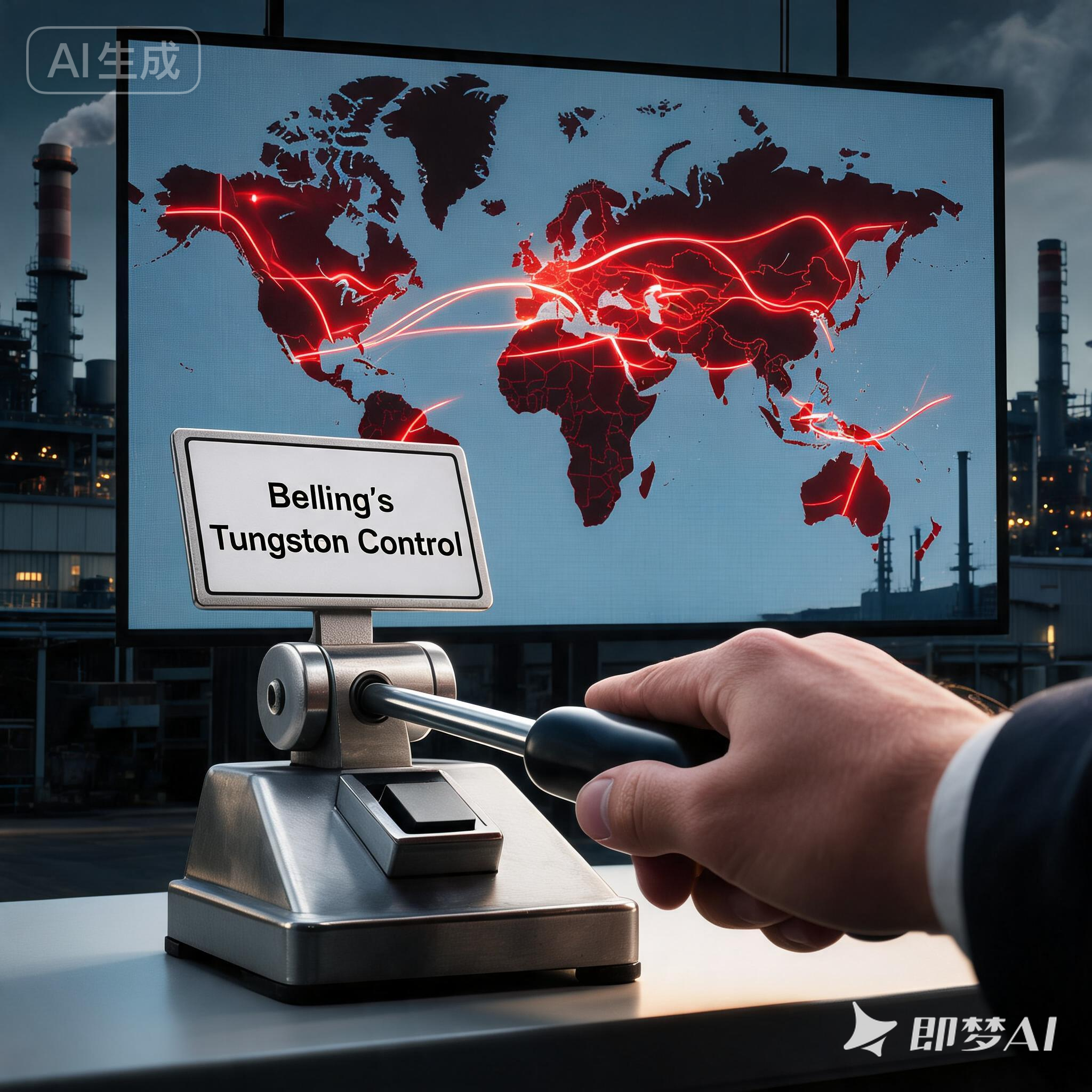
When the United States published its new export restriction on tungsten scrap and battery-recycling feedstocks on August 5, the move was framed domestically as a supply-chain sovereignty play under the Defense Production Act. But in Beijing's trade ministry, the reaction may have been closer to satisfaction. China processes roughly 60–70% of the world's primary tungsten — and the US move cuts off the secondary supply channel that the West has been building precisely to reduce that dependency. Less than a week after Washington signed the executive order, China now has both a structural argument and a mirror to raise.

The numbers out of Yiwu this week are hard to ignore. The world's capital of small commodities just posted its single best half-year on record for cross-border e-commerce: 100.084 billion yuan in the first six months of 2026 — up 11.25% year on year, and the first time the city has broken through the 100 billion yuan threshold before the year is even half over. Total e-commerce transaction volume across all channels hit 324.093 billion yuan, up 9.62%. This isn't a one-city story. It is a structural shift in how Chinese goods reach global buyers, and it comes at a moment when the logistics infrastructure underneath it is being rebuilt in real time.

Just hours ago, Washington's Section 232 tariff on imported patented drugs and active pharmaceutical ingredients (APIs) officially kicked in. The headline rate: up to 100%, effective July 31, 2026, with a September 29 grace window for a limited list of companies. Generic drugs and their raw materials are exempt — for now. But the clock on that exemption is already ticking: under the White House's announced schedule, generics stay at zero for two years, jump to 100% after that, and hit 200% in year three.
For Chinese exporters, this is not an abstract policy debate. China shipped roughly $22.7 billion of APIs abroad last year — over 6 million tonnes — and the US has long ranked among the top four destination markets. Q1 2026 API exports were still growing at 3.9%. Today's tariff draws a hard line through that trajectory.
Tell us the market, company, product or supply-chain question you are working on.
Start an enquiry ↗