
GLOBAL TRADE INTELLIGENCE
GLOBAL TRADE INTELLIGENCE
GLOBAL TRADE INTELLIGENCE

GLOBAL TRADE INTELLIGENCE
GLOBAL TRADE INTELLIGENCE

For the first time in history, China shipped more than one million cars abroad in a single month. June 2026 saw 1.037 million vehicle exports — a 75.1% jump year-on-year and an 11.6% jump from May. The milestone didn't arrive quietly. It landed in the middle of a broader first-half surge that saw China's auto exports hit 5.096 million units, up 65.3% from the same period last year, according to the China Association of Automobile Manufacturers. No country in the history of the global auto industry has ever crossed the 5-million export threshold in a single half-year. China just did it with a straight face.
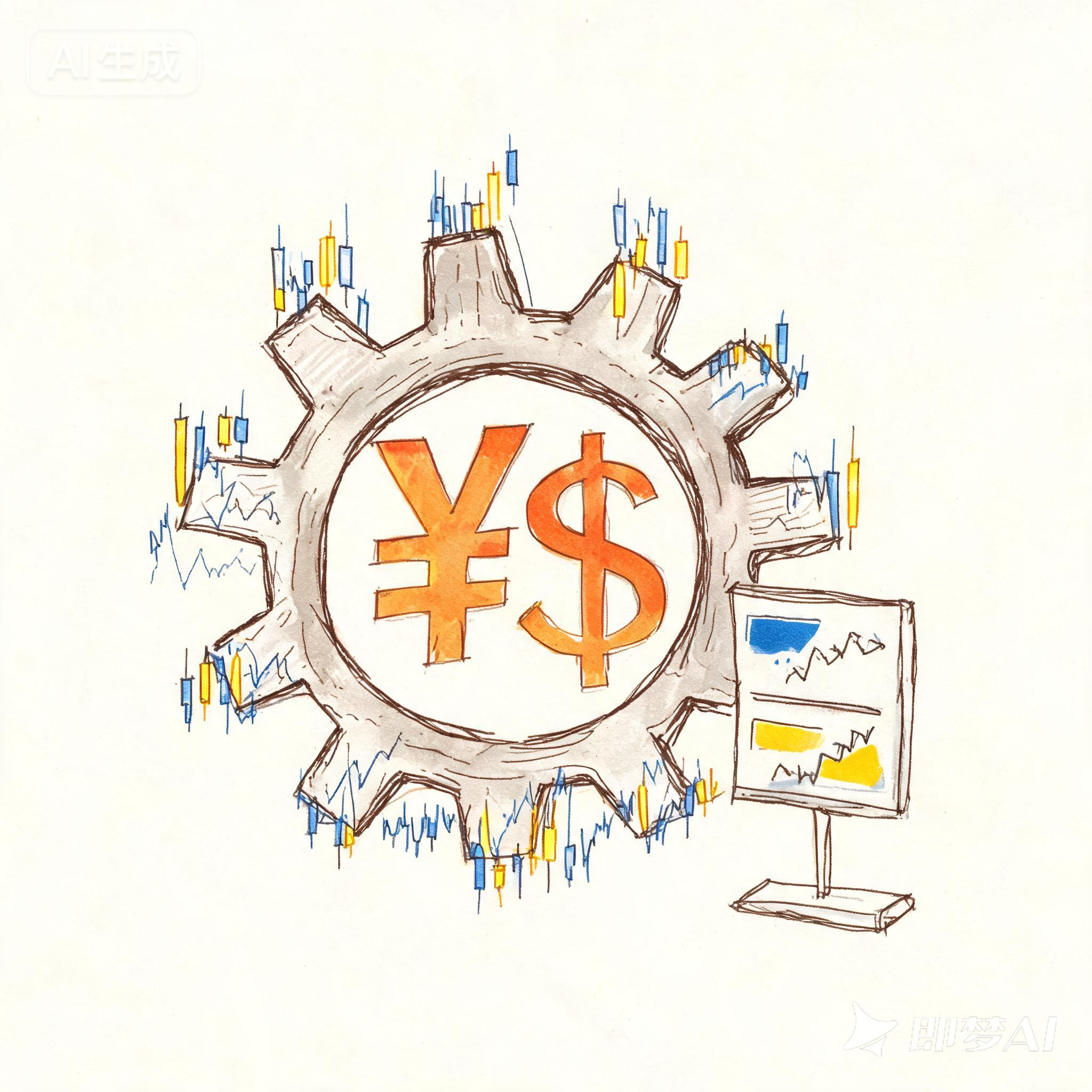
In the first half of 2026, a quiet but seismic shift occurred in the anatomy of China's foreign trade. Private enterprises — the nimble, market-responsive firms that Beijing once described as the "补充" (supplement) to the state economy — now account for 57% of all China's import and export activity, contributing nearly 60% of the country's total trade growth. The headline figure: ¥14.53 trillion in combined trade volume, up 17% year-on-year, a pace that outran both state-owned enterprises (16.8%) and foreign-invested firms (17.1%).
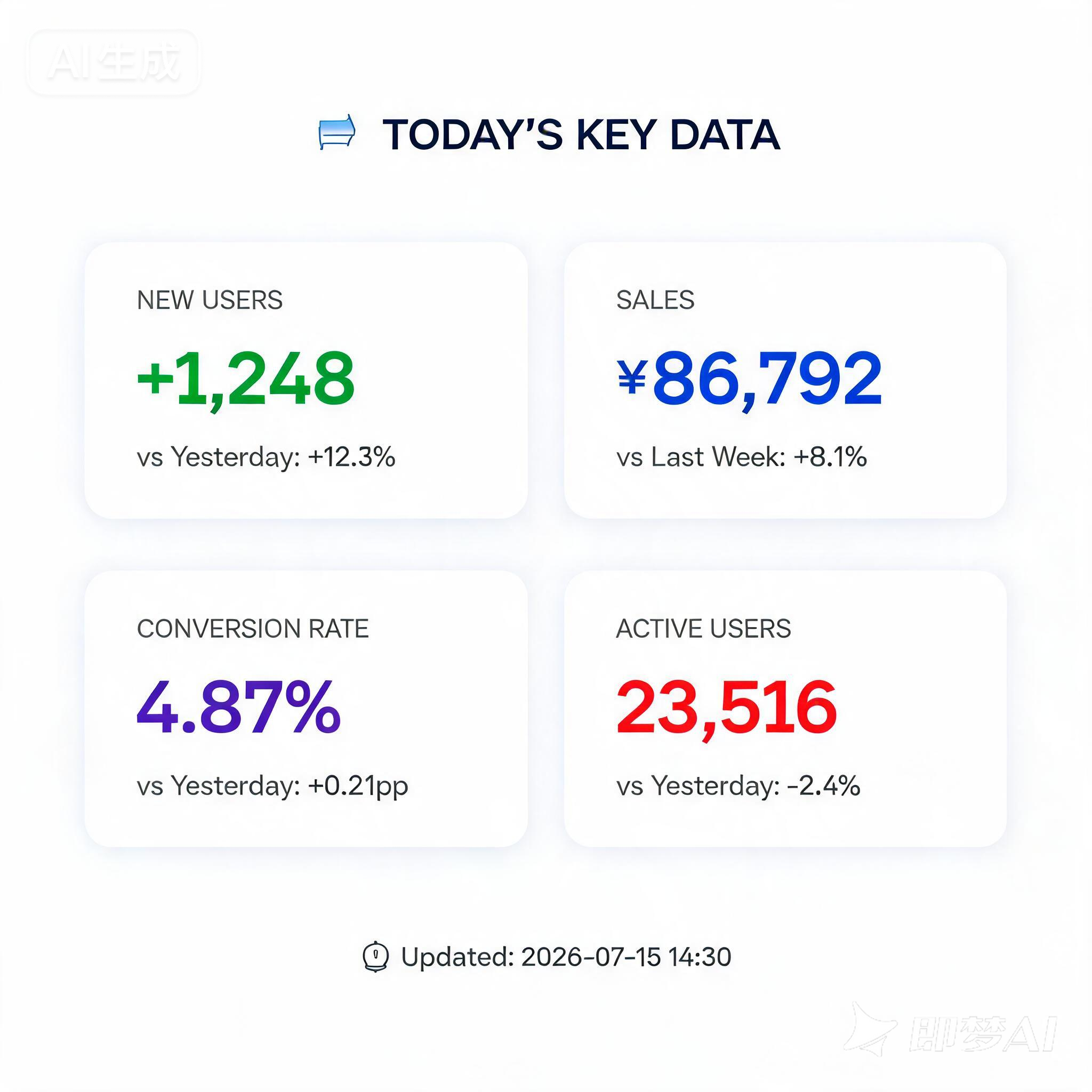
Released by the General Administration of Customs (GAC) on July 14, the H1 2026 trade data is not merely a headline number. It is a structural readout — one that reveals where China's export engine is shifting, where global demand is pulling from, and why the rest of the world's manufacturers, logistics providers, and trade policy teams should be paying very close attention. Total goods trade grew 16.9% year-on-year to 25.47 trillion yuan (approximately $3.75 trillion USD). Exports rose 13.4% to 14.73 trillion yuan; imports climbed a sharper 22.1% to 10.74 trillion yuan — with import growth outpacing export growth by 8.7 percentage points, a sign that China's domestic consumption revival is now pulling in global goods at a pace that rivals its export machine.

On July 10, 2026, China's Ministry of Commerce (MOFCOM) and the General Administration of Customs (GACC) issued a joint order: all helium exports are suspended, effective immediately. The announcement gave no end date. The stated reason — protecting the domestic industry from "severe global supply disruptions" — sounds bureaucratic. What it means in practice is a lot more consequential: the world just lost access to roughly 11% of its helium supply, and there is no ready alternative.

China just posted its best export month on record — $376.78 billion in May, a 19.4% year-on-year surge — and yet the mood inside export-focused companies is grim. The reason: three of China's biggest trading partners are simultaneously tightening the screws, and July 2026 is the moment all those policy changes hit the ground.

Market research firm Omdia released its second-quarter 2026 China semiconductor market forecast, and the numbers shocked even veteran chip watchers. China's total semiconductor market is now projected to reach USD 812.08 billion this year — a USD 265.6 billion upward revision from the firm's prior estimate of USD 546.5 billion, representing a near-doubling of the growth forecast. Year-on-year expansion is now put at 92.9%, up from the original 31.26% projection.

According to China's General Administration of Customs, China's air conditioner exports to the EU surged 72.8% year-on-year in June 2026. For the first half of the year, the total export value hit USD 3.76 billion — up 43.2% versus the same period last year, and a new historical record. On Joybuy, a Chinese e-commerce platform popular with European importers, a single split-type air conditioner model saw sales surge nearly 42 times in the week of June 19–25 alone. Floor fans climbed over 80 times. Neck fans? More than 120 times. Ice makers shipped to Europe from January to May rose over 70% year-on-year.

A single wrong invoice just killed a ¥2 million tax refund. That's what happened to a Zhejiang textile exporter last week — they used a VAT special invoice instead of a regular invoice, and the entire refund application was rejected. Welcome to the new era of strict export invoice compliance. As of July 1, 2026, China's new export invoice regulations are in full force, and the margin for error has officially hit zero.The new rules aren't just bureaucratic tweaks — they're a fundamental shift in how export enterprises handle their documentation. The State Taxation Administration has made it clear: invoice compliance is now a hard gate for accessing export tax refunds. And with China's export refund scale hitting an estimated ¥1.8 trillion in 2025, we're talking about serious money at stake.

For years, global lithium buyers watched the Perth lithium spot price and benchmarks from Australian and Chilean exchanges. That era is officially over. On July 3, 2026, the Guangzhou Futures Exchange (GFEX) opened its lithium carbonate futures and options contracts to overseas traders — the first time a Chinese commodity futures product has been made available to international participants under the "specific varieties" framework. From 9:00 AM that morning, foreign traders could participate in LC2607 and all subsequent futures contracts, plus the associated options series, using USD as margin with a 0.95 conversion discount applied against the daily RMB midpoint rate. China — which dominates global lithium production, consumption, and imports — just planted its flag on the world's battery material pricing map.

When trade economists talk about China's export story, they usually mean ships, containers, and factory gates. But on July 1, 2026, the Ministry of Commerce dropped a number that quietly rewrites the picture: in the first five months of this year, China's trade in services reached CNY 3.1 trillion (USD 455.4 billion) — up 6% year-on-year. Exports alone jumped 16%. Imports climbed 0.4%. The gap between those two figures is not a rounding error. It is a structural signal that China's trade composition is shifting faster than most trade forecasts account for.
Tell us the market, company, product or supply-chain question you are working on.
Start an enquiry ↗