
RCEP's role in promoting foreign trade and the economy
Historical policy report · 2022-10-13
- RCEP is a comprehensive, modern, high-quality, and mutually beneficial free trade agreement. Its formal signing aims to reduce tariff…
- Data from China's General Administration of Customs shows that from January to August this year, China's trade with the other 14 RCEP…
- Since the RCEP agreement came into effect, tariff preferences, simplified customs clearance, and investment facilitation have enabled…
Research subject: RCEP's role in promoting foreign trade and the economy
This is an archived report. Check the issuing authority for current rates, product scope and effective dates before using it for a shipment.
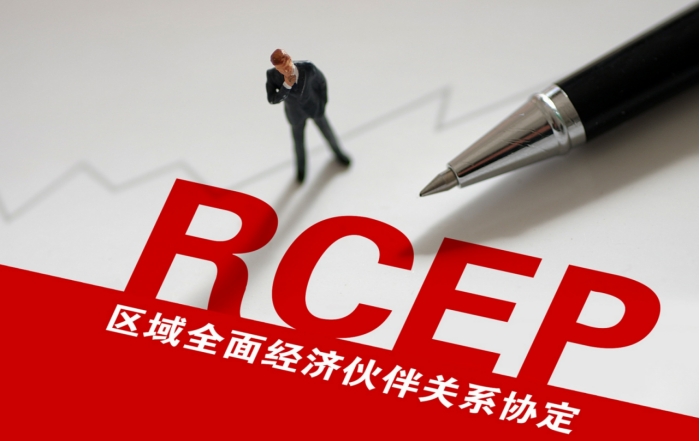
RCEP is a comprehensive, modern, high-quality, and mutually beneficial free trade agreement. Its formal signing aims to reduce tariff barriers and build a more open, integrated, and free market.
Data from China's General Administration of Customs shows that from January to August this year, China's trade with the other 14 RCEP member countries reached 8.32 trillion yuan, accounting for 30.5% of China's total foreign trade, a year-on-year increase of 7.48%. Of this, imports under RCEP preferential tariffs amounted to 38.1 billion yuan, with tariff reductions of 880 million yuan; exports under preferential tariffs reached 143.3 billion yuan, with tariff reductions from importing countries amounting to 910 million yuan. Secondly, trade with ASEAN countries totaled 4.09 trillion yuan, an increase of 14% , accounting for 15% of China's total foreign trade .
Since the RCEP agreement came into effect, tariff preferences, simplified customs clearance, and investment facilitation have enabled trade among member countries to enjoy more policy dividends, and the space for regional investment cooperation has continued to expand.
According to a report released this year by the ASEAN Plus Three Macroeconomic Research Office, the RCEP is expected to strengthen regional supply chains and promote new sources of growth. The report argues that lower tariffs, unified requirements, and more lenient rules of origin will enable multinational corporations to leverage the comparative advantages of different economies to reduce production costs.
ASEAN Secretary-General Lim Jock Hoi, speaking at the China -ASEAN Expo, called on the business communities of RCEP member countries to make full use of RCEP , optimize production layouts, achieve economies of scale, and better participate in the global value chain division of labor.
Publication & context
This article retains its original reporting period and source context. Historical figures and commentary are not live data; read the definitions and limitations supplied with the article.
Archive title (English edition): RCEP's role in promoting foreign trade and the economy.
Original publication: . Source: the SINOBTD editorial archive. This English edition was translated from the original archived text; original dates and reporting scope are retained.